Electrical installations in production halls – key requirements and solutions
Electrical installations in production halls are one of the most important elements of infrastructure in any industrial facility. Their quality, safety, and proper design directly affect not only production continuity but also the safety of employees and technological equipment.
Unlike installations used in residential buildings, industrial electrical systems must be prepared for much higher loads, operation in demanding environmental conditions, and supplying power to numerous advanced production machines.
Characteristics of electrical installations in production halls
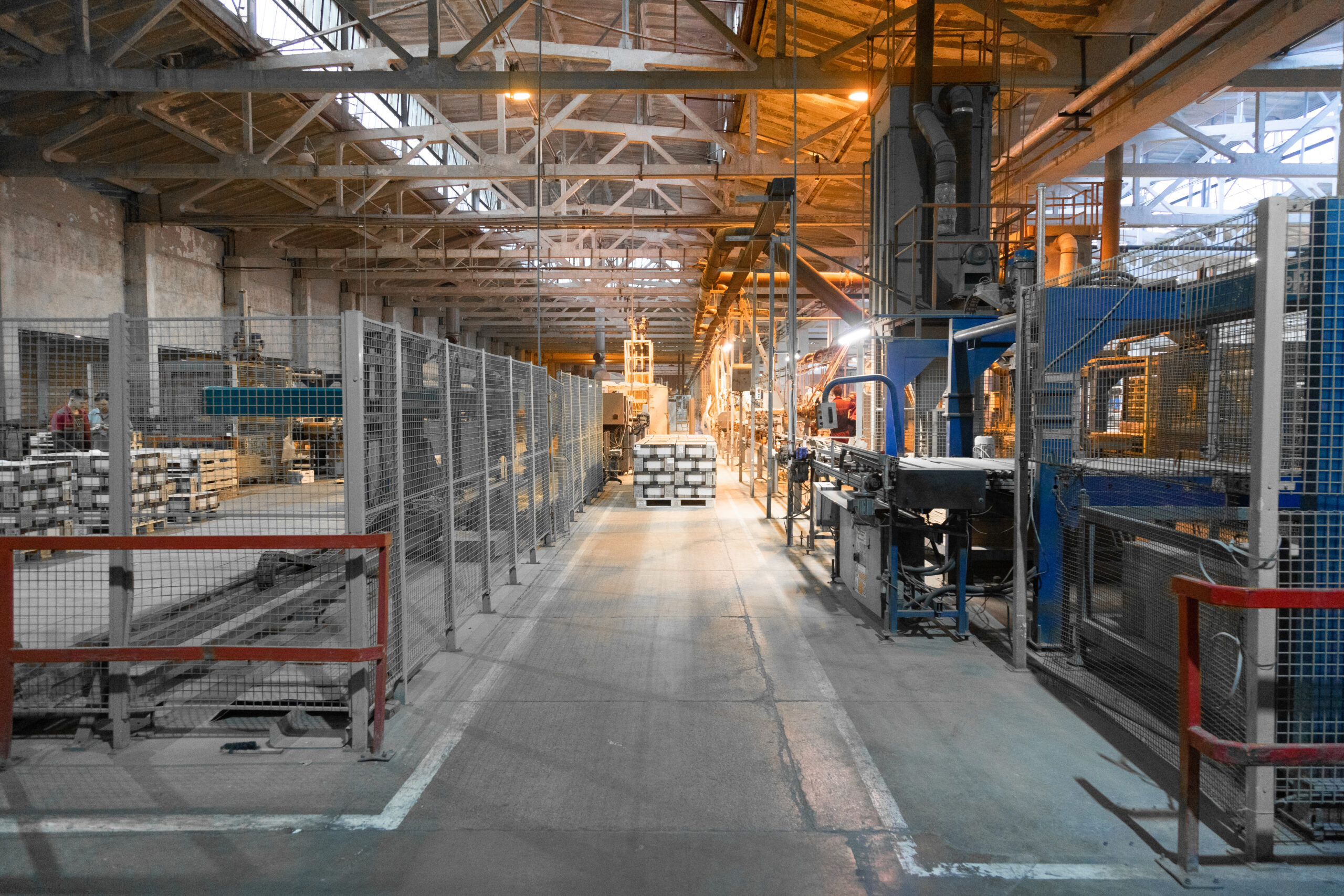
When designing electrical installations in production halls, it is necessary to consider a number of factors related to the nature of the facility’s operation. A production hall is an environment where technological lines, automation systems, industrial lighting, and auxiliary equipment operate simultaneously.
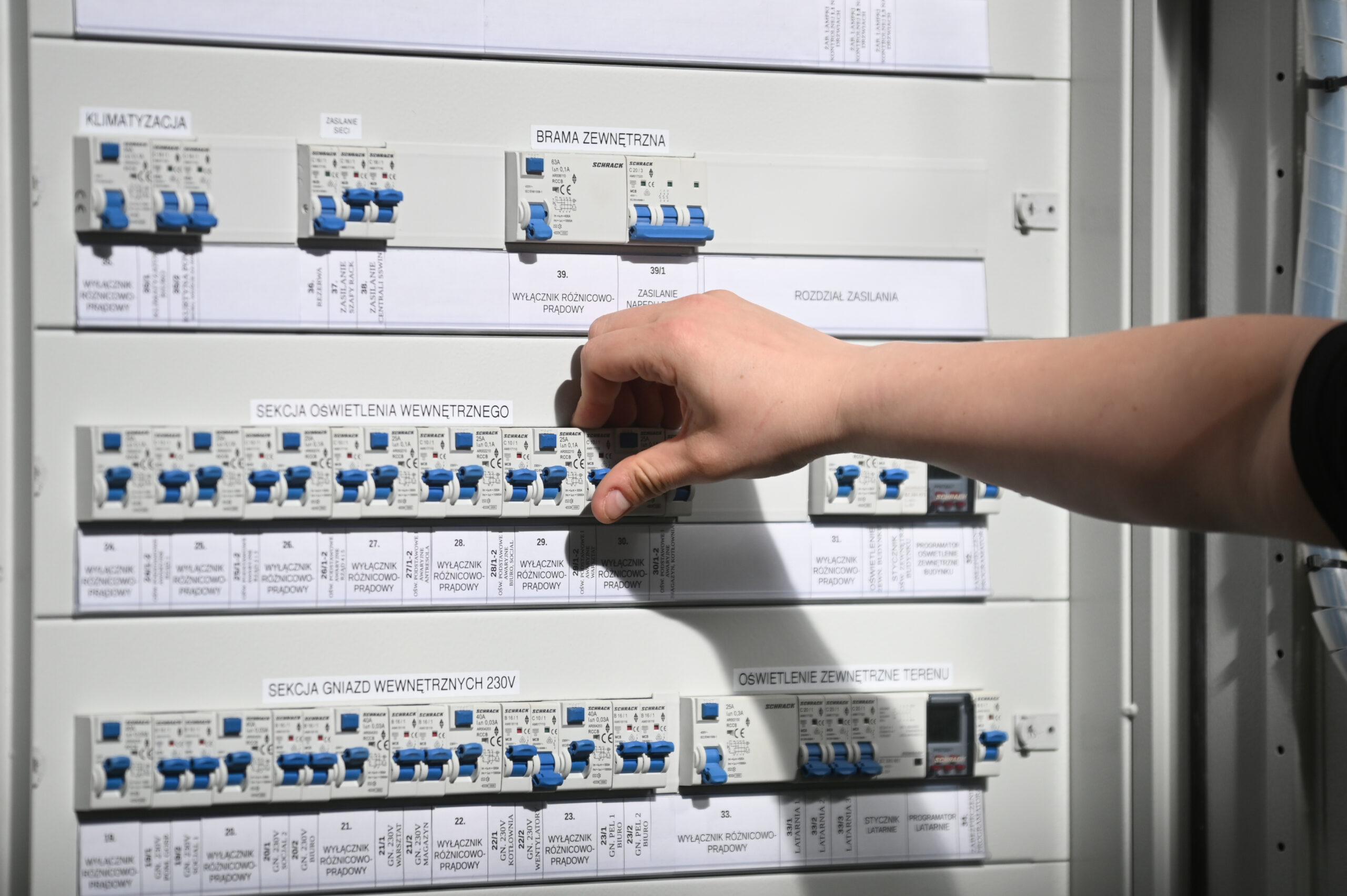
The installation must be adapted to high connection power, three-phase power supply, and stable operation for many hours a day. Proper placement of electrical switchboards, cable routes, and power points for production machinery is also very important.
In many industrial plants, the electrical installation forms the foundation of the entire production system. For this reason, it is essential at the design stage to consider the possibility of future expansion and modernization of the energy infrastructure.
Safety of electrical installations in industrial facilities
One of the most important aspects to consider when designing installations in industrial plants is operational safety. Electrical installations in production halls must meet strict technical requirements and standards related to electrical shock protection and fire safety.
Production halls often involve demanding environmental conditions such as high humidity, dust, or exposure to chemical substances. For this reason, the components used in the electrical installation should be resistant to mechanical damage and external factors.
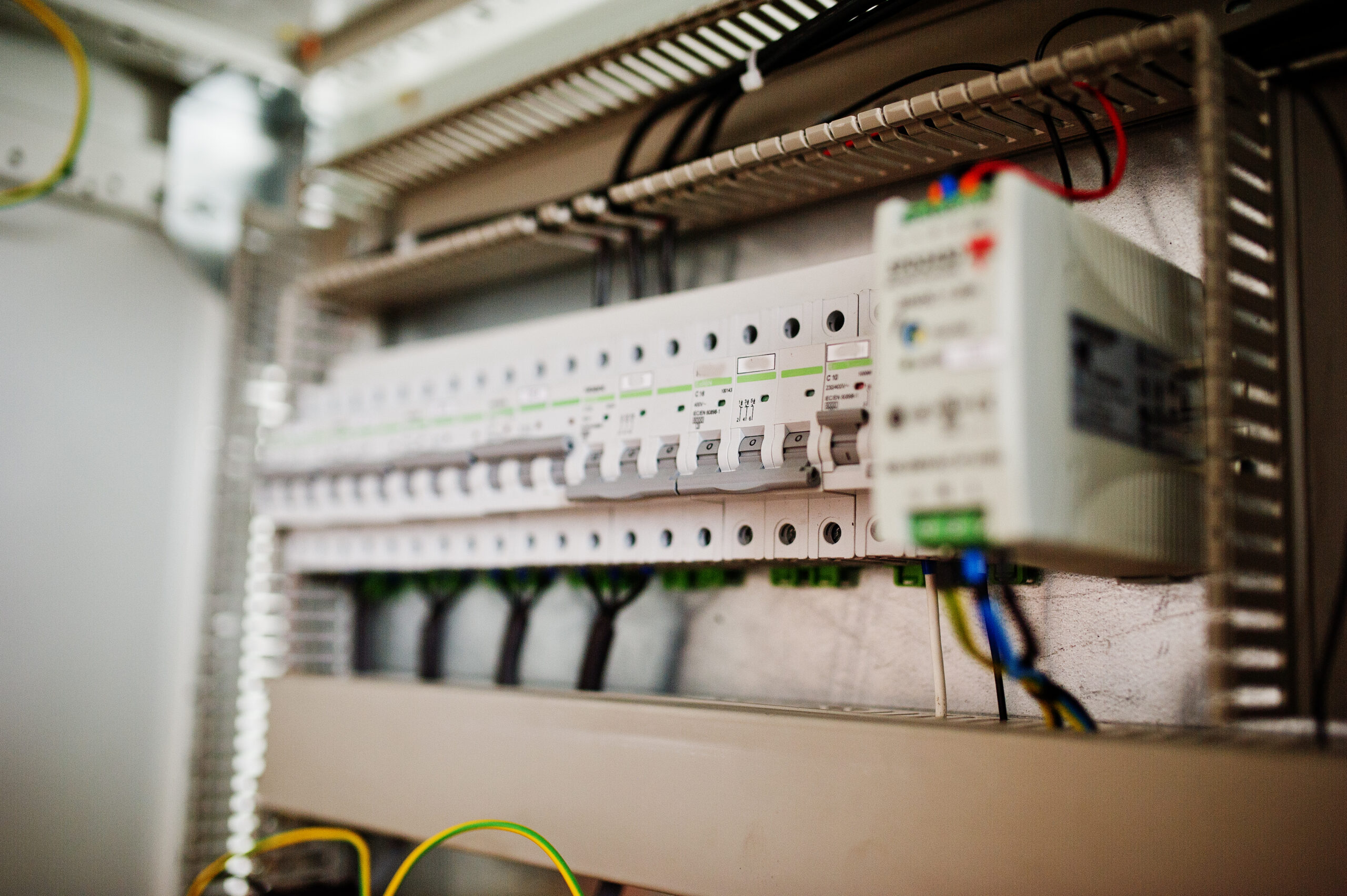
Proper protection against overloads and short circuits is also crucial. To achieve this, modern protection systems, residual current devices, and appropriately designed electrical switchboards are commonly used.
Importance of electrical measurements in production halls
To ensure that an electrical installation operates safely and reliably, regular inspections and measurements are necessary. In industrial facilities this is particularly important, as even a minor failure can lead to production downtime and significant financial losses.
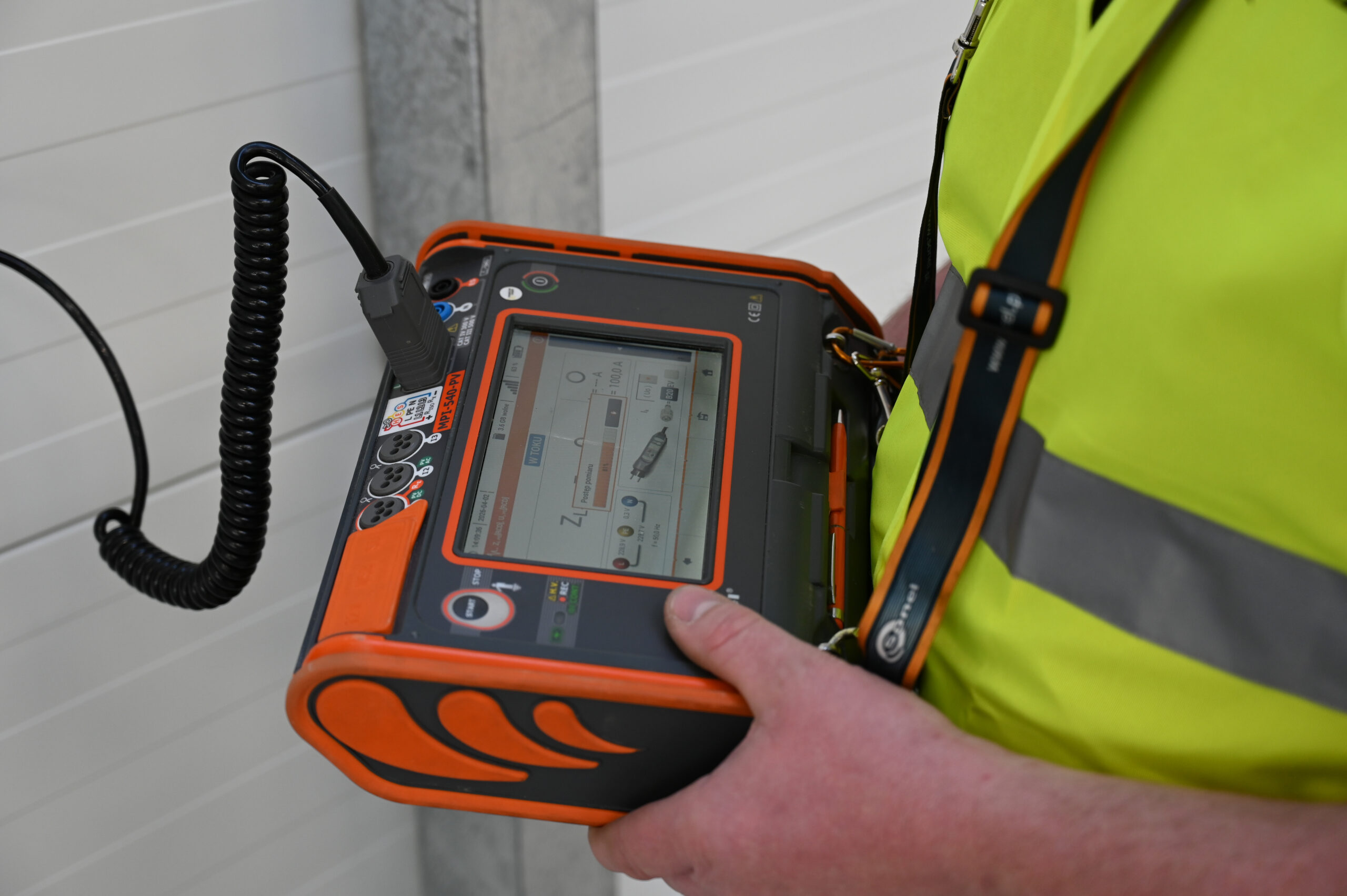
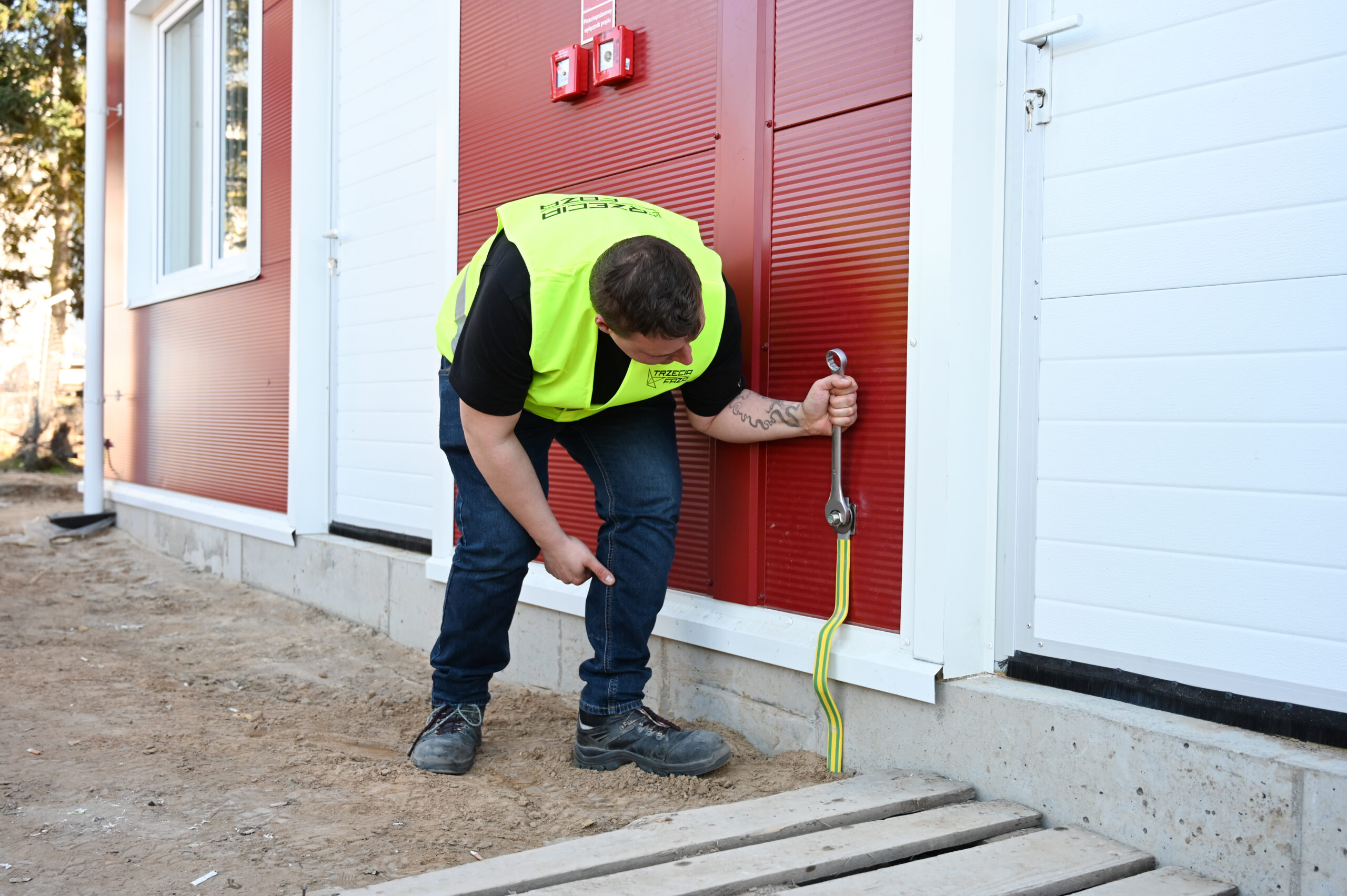
Electrical measurements allow specialists to verify, among other things, the effectiveness of electrical shock protection, the condition of cable insulation, and the correct functioning of protective devices. Regular inspections help detect potential irregularities early and prevent serious failures.
Professional electrical measurements are therefore one of the key elements of maintaining the safety of energy infrastructure in industrial facilities.
Designing electrical installations for industry
The process of designing electrical installations for production halls should be carried out by experienced specialists. Each industrial facility has its own specific requirements, which means the installation must be tailored to the type of production, the number of machines, and the overall energy demand.
During the design phase, factors such as machine layout, required power capacity, industrial automation systems, and energy efficiency solutions are taken into account.
A well-designed electrical installation not only ensures safe power supply to equipment but also helps optimize operating costs and makes future expansion of the facility easier.
Electrical installations in production halls play a key role in the operation of modern industrial plants. Proper design, professional installation, and regular inspections help ensure workplace safety, stable production processes, and reliable power supply for machinery.
For this reason, the implementation and maintenance of electrical installations in industrial facilities should be entrusted to experienced specialists who can guarantee compliance with applicable regulations and the highest safety standards.