How to choose an electrical swichboard for a production hall or warehouse?
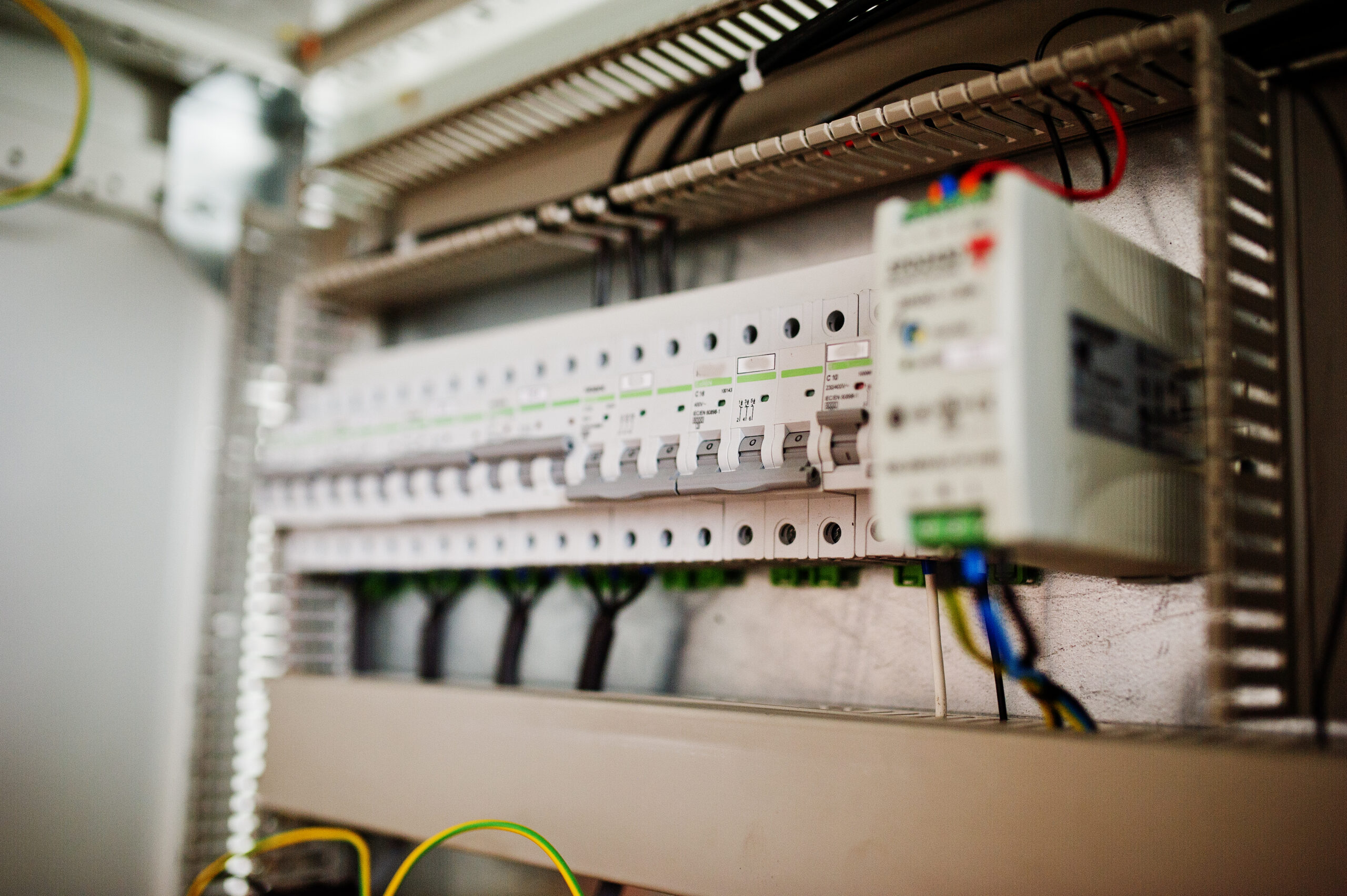
An electrical switchboard is one of the most important components of an electrical installation in a production hall, warehouse, or logistics center. It is responsible for distributing electricity between individual circuits, machines, lighting systems, and other equipment. The protective devices installed inside the switchboard also protect the electrical installation and equipment against overloads, short circuits, and other electrical faults.
In an industrial facility, choosing a switchboard based solely on its size or the number of available modules is not enough. Factors such as power supply parameters, the type of electrical loads, environmental conditions, required protection devices, and the possibility of future expansion must all be taken into account.
So, how should you choose an electrical switchboard for a production hall or warehouse, and which mistakes can lead to problems later on?
What is the role of an electrical switchboard in a production hall?
What is the role of an electrical switchboard in a production hall?
The switchboard receives electrical power and distributes it to individual parts of the installation. Depending on the size and type of facility, it may supply production lines, individual machines, ventilation and air conditioning systems, lighting, automation systems, warehouse equipment, and auxiliary installations.
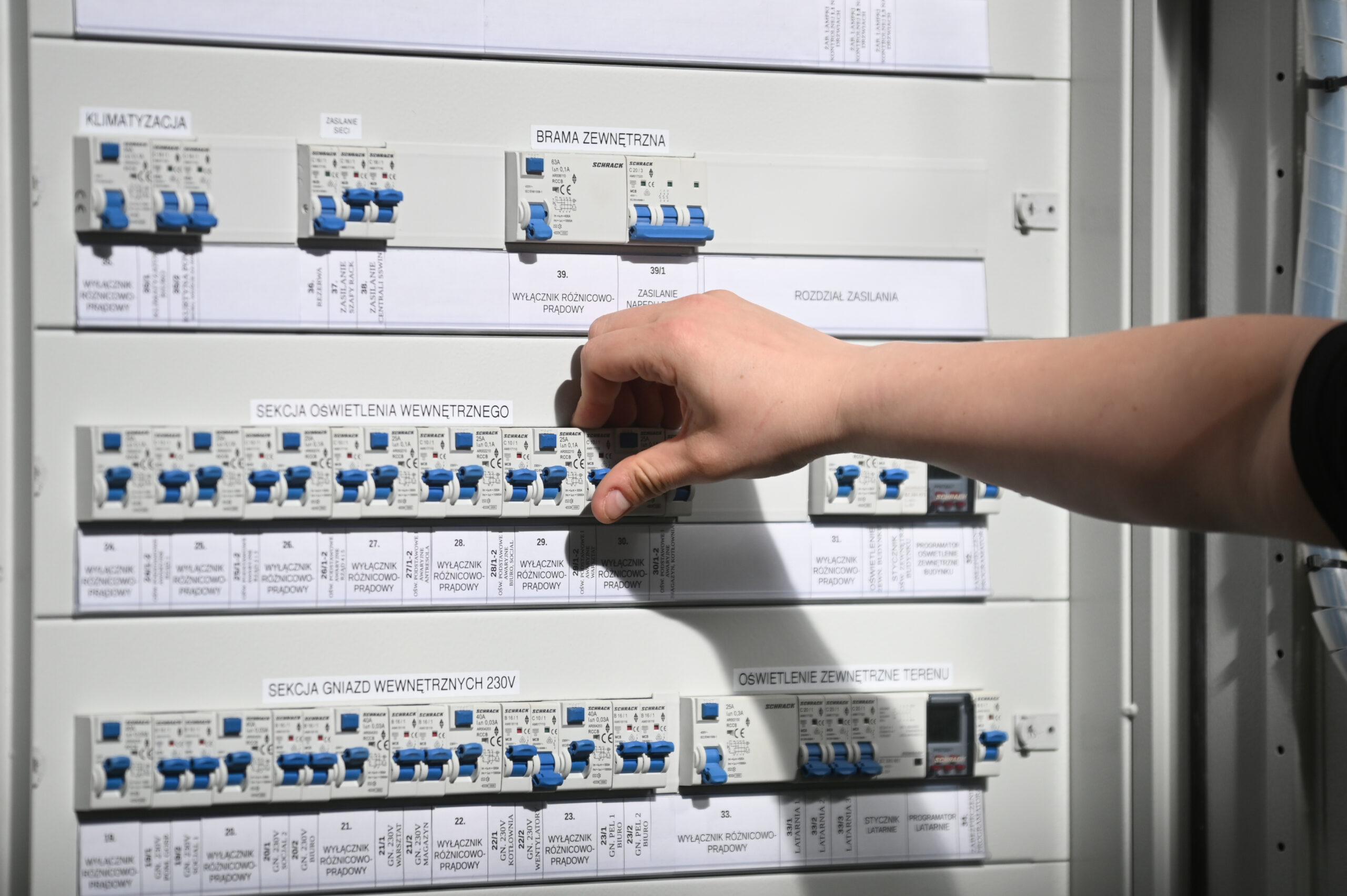
At the same time, the electrical switchboard houses protective and control devices.
In larger facilities, a single main switchboard usually does not supply every electrical load directly. Power may be distributed to additional local, technological, or machine switchboards. Therefore, the design of the entire system should take into account not only the facility’s current power demand but also how the building is used and how its requirements may change in the future.
For more information on how electrical systems work and the role of switchboards within them, read our guide: What is an electrical installation and how does it work? A complete guide.
What determines the selection of an electrical switchboard?
What determines the selection of an electrical switchboard?
There is no single universal switchboard suitable for every production hall. Electrical switchboard selection should be based on the design and actual parameters of the installation.
The first step is to determine the expected electrical load. It is necessary to know which devices will be supplied from a given switchboard, their power requirements, and whether they will operate simultaneously. The type of electrical loads is also important – an installation supplying mainly lighting and sockets will have different requirements from one supplying motors, frequency converters, or an extensive production line.
Based on this information, the parameters of the switchboard, protective equipment, and the division of the installation into individual circuits can be determined.
Power demand and electrical switchboard selection
Power demand and electrical switchboard selection
One of the key parameters is the expected load on the electrical installation. However, simply adding together the rated power of all machines in a production hall may lead to incorrect conclusions.
In practice, it is necessary to consider their operating patterns, load simultaneity, starting currents, and the characteristics of individual devices.
This is particularly important in production facilities, where starting a large motor or another machine may temporarily cause a significant change in the operating parameters of the electrical installation.
If a company is planning to expand its machinery fleet, it is also worth checking whether the power currently available at the facility will be sufficient. If not, it may be necessary to increase the connection capacity.
For additional information on electrical connections and connection capacity, see our article: What does the electricity connection procedure look like?.
What protection devices should an electrical switchboard include?
What protection devices should an electrical switchboard include?
Protective devices are among the most important components of every switchboard. Their purpose is to protect wiring, equipment, and users of the electrical installation.
Depending on the design and intended use of the installation, the switchboard may contain overcurrent protection devices, residual current devices, surge protection devices, and other equipment. Industrial installations may also require protection solutions designed specifically for particular machines and technological circuits.
However, the objective is not to install as many protection devices as possible. The key issue is their correct selection and coordination.
Protection selectivity is particularly important. In a properly designed installation, a fault affecting one circuit should not unnecessarily disconnect a large part of the facility. This is especially important in production environments, where an unplanned power outage can result in costly downtime.
Environmental conditions and electrical switchboard selection
Environmental conditions and electrical switchboard selection
Production halls and warehouses can impose very different requirements on electrical installations compared with typical office buildings.
Dust, moisture, elevated temperatures, possible exposure to water, vibration, and the risk of mechanical damage all influence the selection of the enclosure and the construction of the switchboard.
One of the parameters that must be considered is the appropriate IP protection rating. It should be selected according to the installation location and environmental conditions within the facility.
Ventilation and heat dissipation may also be important. Electrical equipment generates heat during operation, so an incorrectly designed enclosure may cause excessive temperatures inside the switchboard.
An electrical switchboard should allow for future expansion
An electrical switchboard should allow for future expansion
One of the most common mistakes is designing a switchboard exclusively for the facility’s current requirements.
On the day the installation is commissioned, every available space may already be occupied. A year later, the company may purchase another machine, expand a production line, or require additional circuits. Even a relatively small change can then require extensive modifications to the installation.
A properly designed electrical switchboard for a production hall should therefore include sufficient reserve capacity for future expansion.
This applies not only to available space for additional equipment but also to busbar capacity, space for additional cables, and the overall organization of the switchboard.
The reserve should not be arbitrary. It should reflect the company’s investment plans and the expected future development of the electrical installation.
Why does electrical switchboard prefabrication matter?
Why does electrical switchboard prefabrication matter?
Industrial projects increasingly rely on electrical switchboard prefabrication. The switchboard is assembled under controlled workshop conditions in accordance with technical documentation and then delivered to the facility as a prepared assembly.
This approach helps organize the manufacturing process, reduce the amount of work carried out directly on site, and perform the necessary checks before the switchboard reaches its final installation location.
This is particularly important for larger projects, where repeatability, workmanship quality, and installation commissioning time directly affect the overall project schedule.
Trzecia Faza provides prefabrication of electrical switchgear for companies and B2B projects – from requirements analysis and assembly to testing, measurements, and technical documentation.
Should an electrical switchboard be prepared for automation systems?
Should an electrical switchboard be prepared for automation systems?
In modern production facilities, the boundary between electrical installations and automation is becoming increasingly blurred. Control systems, energy parameter monitoring, frequency converters, measuring devices, and communication with building management systems may all form an integral part of the infrastructure.
For this reason, it is worth determining during the design stage which functions are required immediately and which may be added in the future.
A well-designed electrical infrastructure can significantly simplify the later integration of automation systems, energy consumption monitoring, and individual load management.
In facilities with a large number of motors, transformers, or power electronic devices, it is also worth analyzing the electrical parameters of the installation. One important issue may be reactive power and its impact on electrical installations and energy costs
Testing and inspection of an electrical switchboard before commissioning
Completing the installation of a switchboard does not automatically mean that it is ready for safe operation.
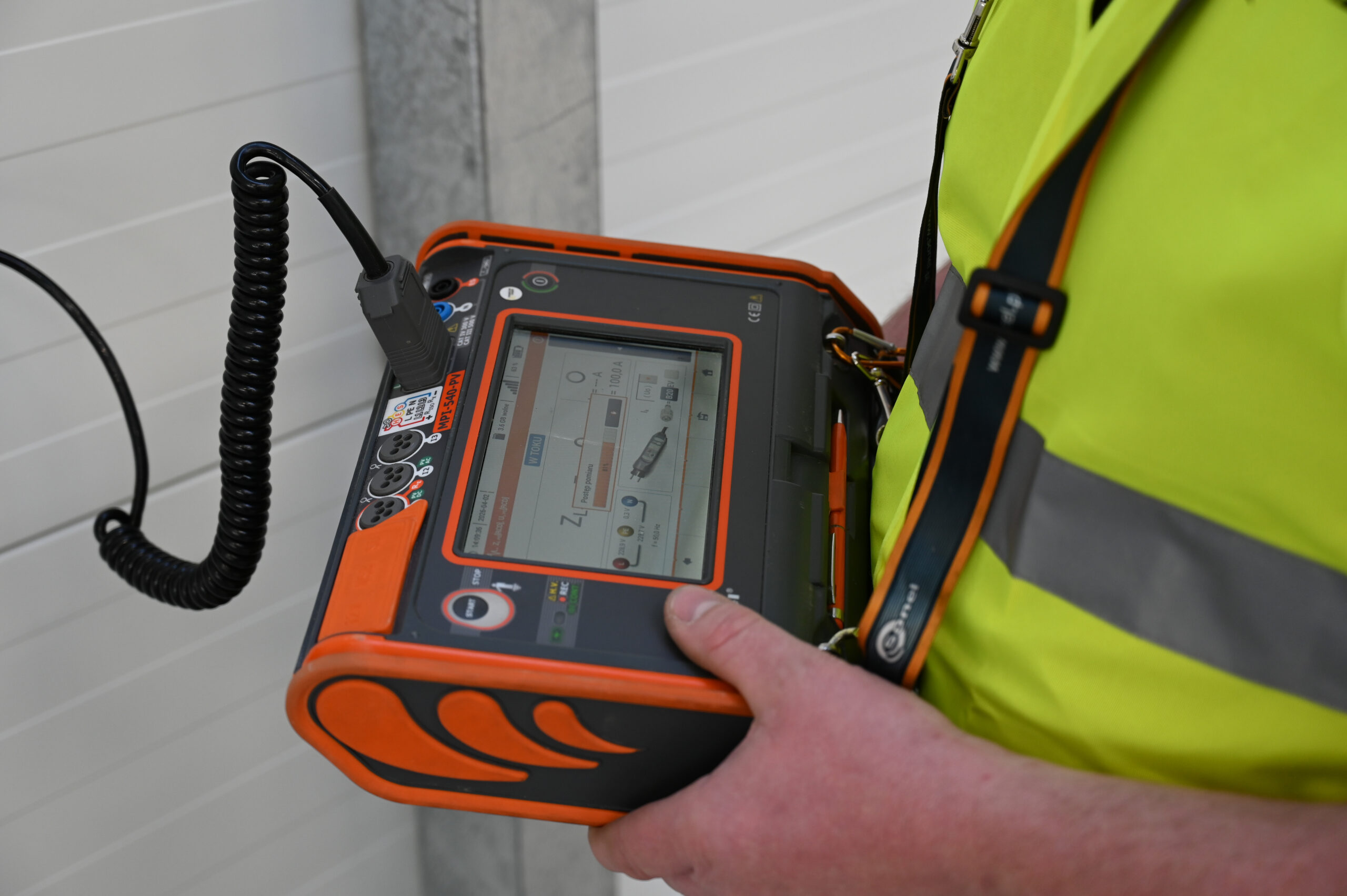
Before commissioning, the required inspections and electrical tests must be carried out. The scope of testing depends on the type of installation and the solutions used, but its purpose is to confirm that the installation has been correctly completed and is safe to operate.
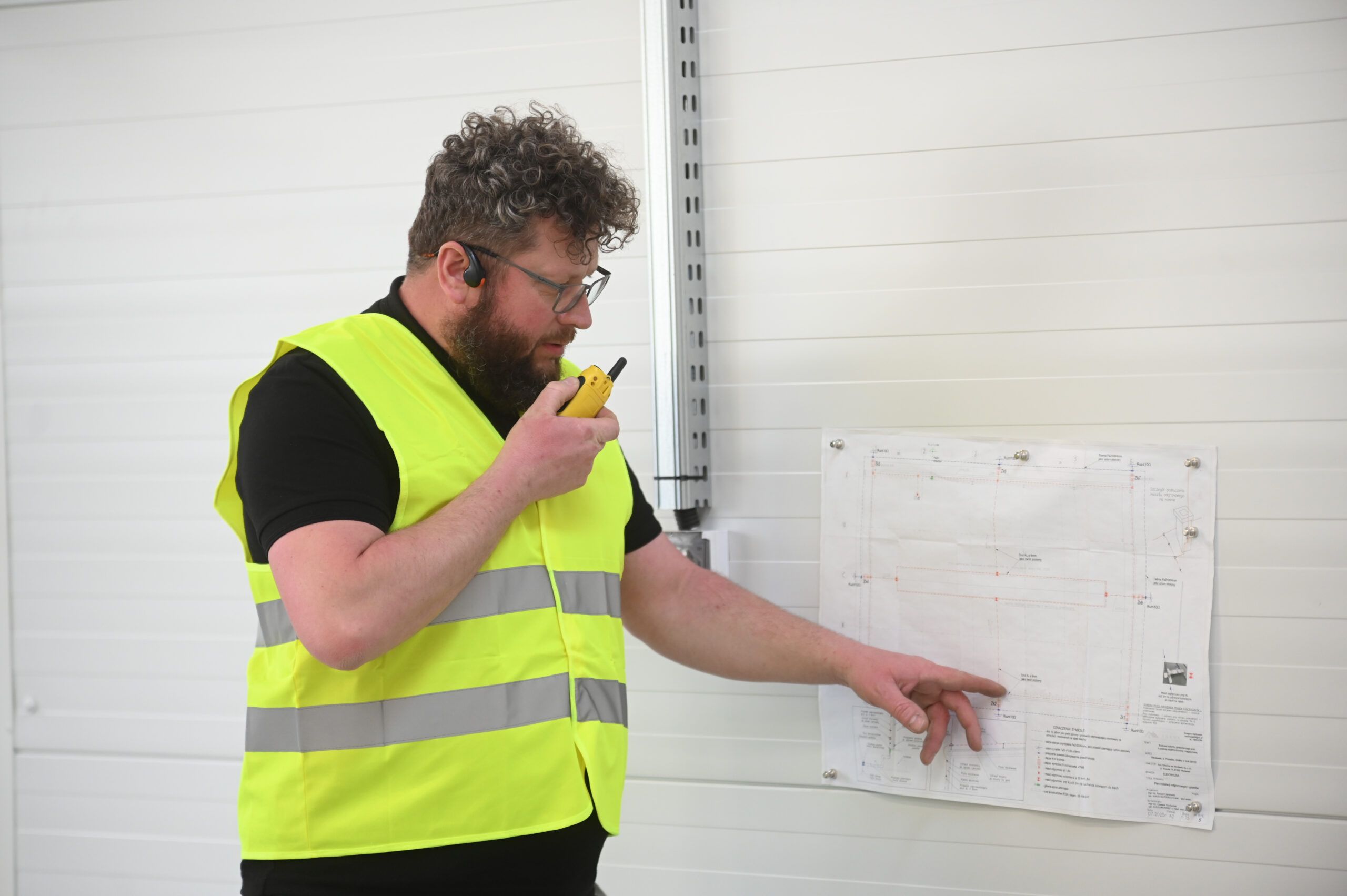
Documentation is particularly important in industrial facilities. Clear circuit labeling, up-to-date diagrams, and test reports make future maintenance, fault diagnostics, and modernization much easier.
Regular electrical measurements and inspections also help assess the condition of the infrastructure throughout its operating life. Trzecia Faza provides measurements and inspections of electrical installations as part of its services for business and industrial customers.
The most common mistakes when choosing an electrical switchboard for a production hall
The most common mistakes when choosing an electrical switchboard for a production hall
The problem is not always the quality of the components themselves. Very often, mistakes result from a design that does not reflect the way the facility actually operates.
The most common issues include underestimating future power demand, leaving no space for expansion, incorrectly selecting protection devices, failing to account for environmental conditions, and improperly dividing loads between circuits.
Another serious mistake is treating the switchboard as an isolated component rather than as part of the entire power supply system.
The switchboard must work together with the electrical connection, cables, protective devices, machinery, and all other components of the installation. Only an analysis of the entire system makes it possible to select a solution that is appropriate for a particular industrial facility.
Electrical switchboard for a production hall or warehouse
Electrical switchboard for a production hall or warehouse
Correct selection of an electrical switchboard involves much more than determining the number of circuits and choosing an enclosure of the right size. The power and characteristics of electrical loads, environmental conditions, protective devices, operating requirements, and future expansion of the facility must all be taken into account.
Reliability is particularly important in production halls. A failure caused by an incorrectly designed component of the electrical installation may stop not just one machine, but a significant part of the entire production process.
For this reason, switchboard design should be treated as part of the broader electrical infrastructure design of the facility.
Trzecia Faza provides electrical installation services for companies, electrical switchgear prefabrication, and power supply system modernization. If you are building a production hall, modernizing a warehouse, or planning to expand your machinery fleet, we can help you select a solution tailored to the actual parameters and operating requirements of your facility.