Electrical installation in a single-family home – stages
An electrical installation is one of the most important elements of any single-family home. It is responsible for the safe power supply of all appliances, lighting, and electrical systems used on a daily basis. Proper design and installation not only ensure comfort but, above all, the safety of the home’s occupants.
Many people building a house wonder what the entire installation process looks like. In this article, we present the key stages that an electrical installation goes through—from the initial design to final inspection and commissioning.
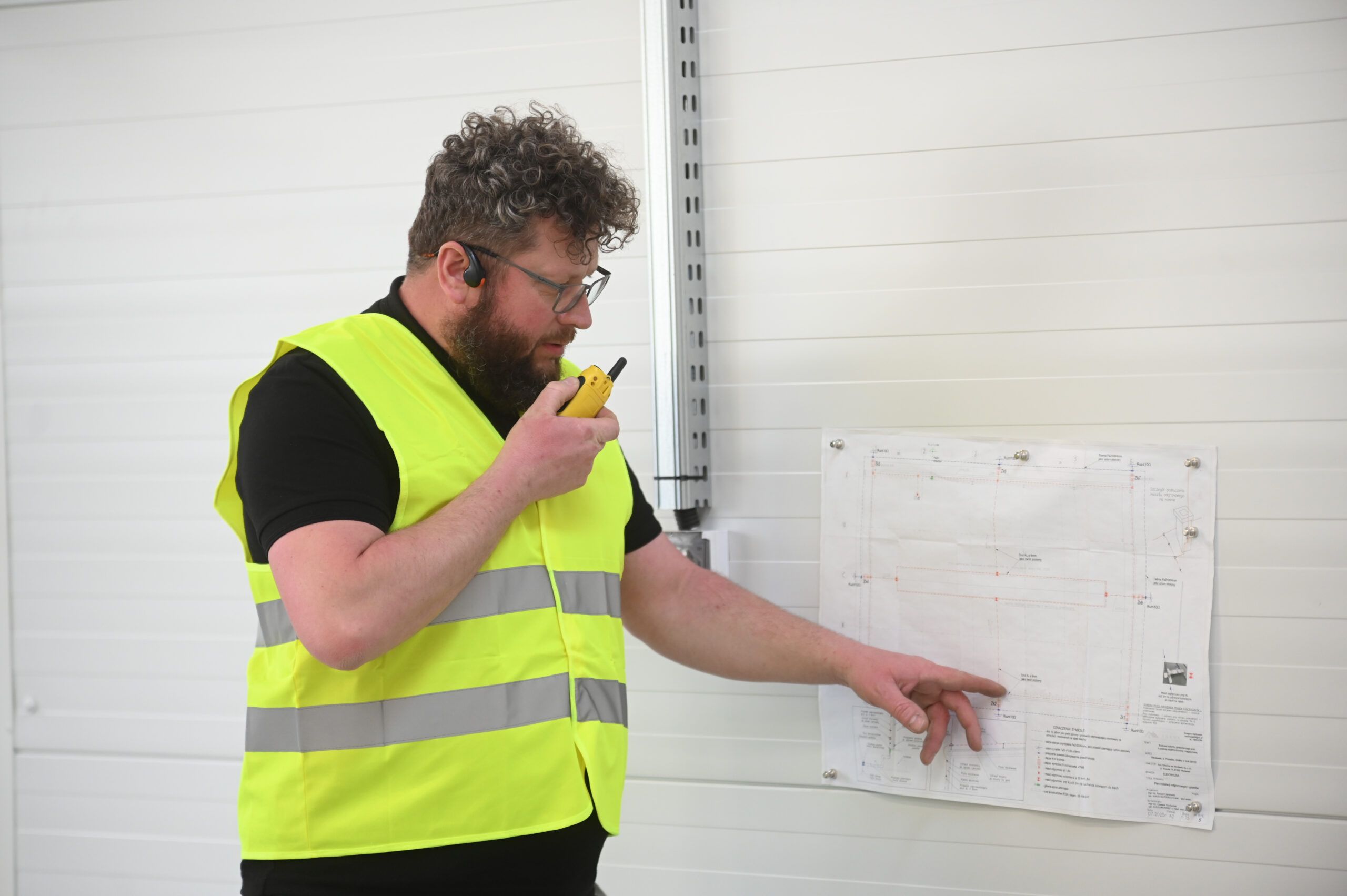
The first stage is preparing the design. A well-designed electrical installation should be tailored not only to the current needs of the household but also to future plans, such as expanding the building or installing new equipment.
During the design phase, the layout of electrical outlets and lighting points, the location of the distribution board, the number of electrical circuits, and the required power capacity are determined. Increasingly, the design also takes into account smart home systems, photovoltaic installations, heat pumps, and electric vehicle chargers.
A carefully prepared design helps avoid costly modifications during the later stages of construction.
Once the building’s structural work has been completed, preparations for the electrical installation begin. At this stage, cable routes are marked out, and the locations of junction boxes, outlets, and switches are determined.
Accuracy is crucial. Proper placement of all components ensures convenient use of the house and makes future expansion of the installation much easier without costly modifications.
This is also the right time to verify whether the planned number of electrical points meets the actual needs of the household.
The next stage is the installation itself. The electrical installation is created by laying cables along the previously prepared routes and installing electrical boxes.
At this stage, connections between individual circuits are made, and locations for outlets, switches, and lighting fixtures are prepared.
Using appropriate materials and following applicable standards are essential. Mistakes made during installation may not become apparent until many years later.
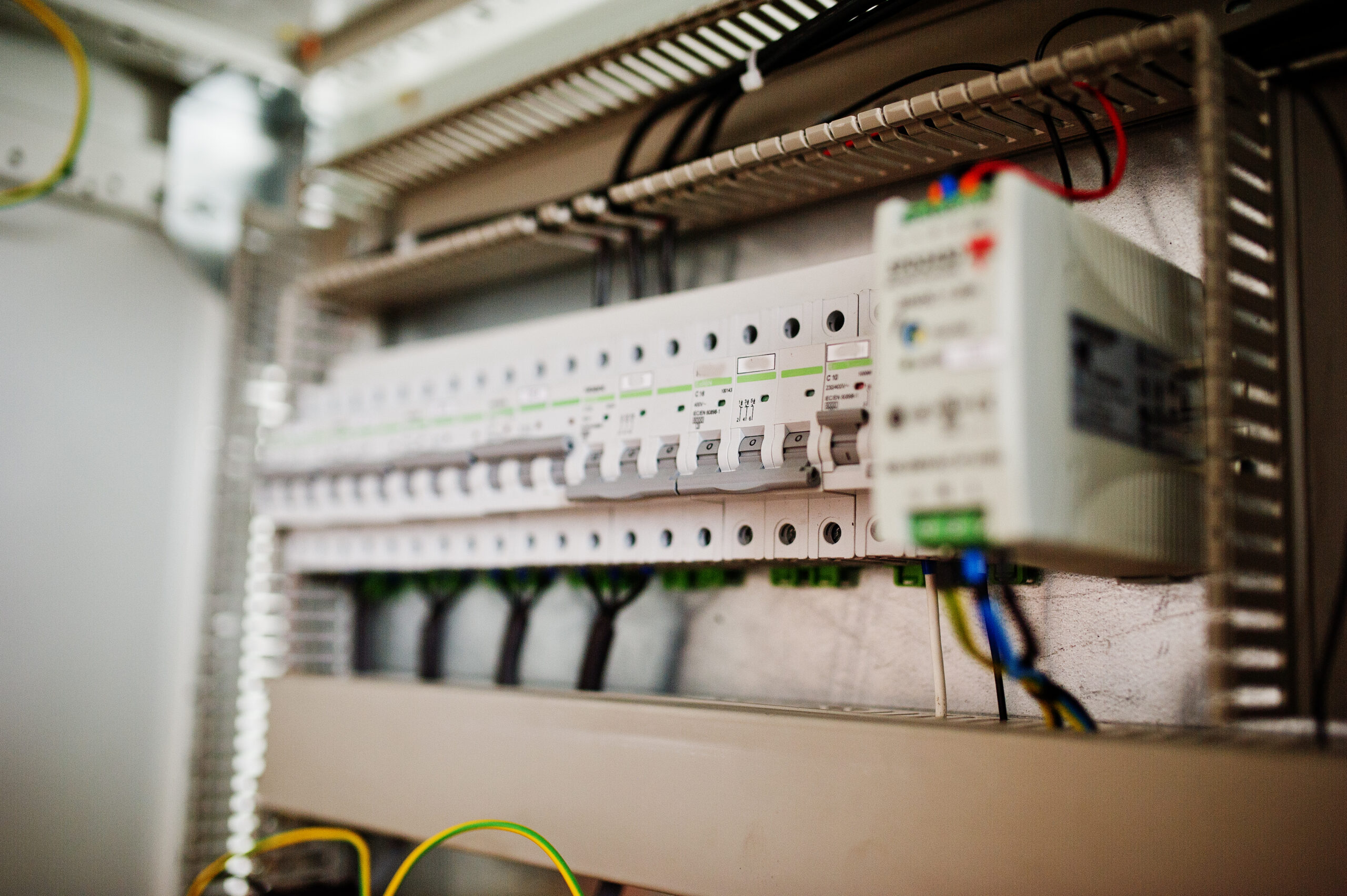
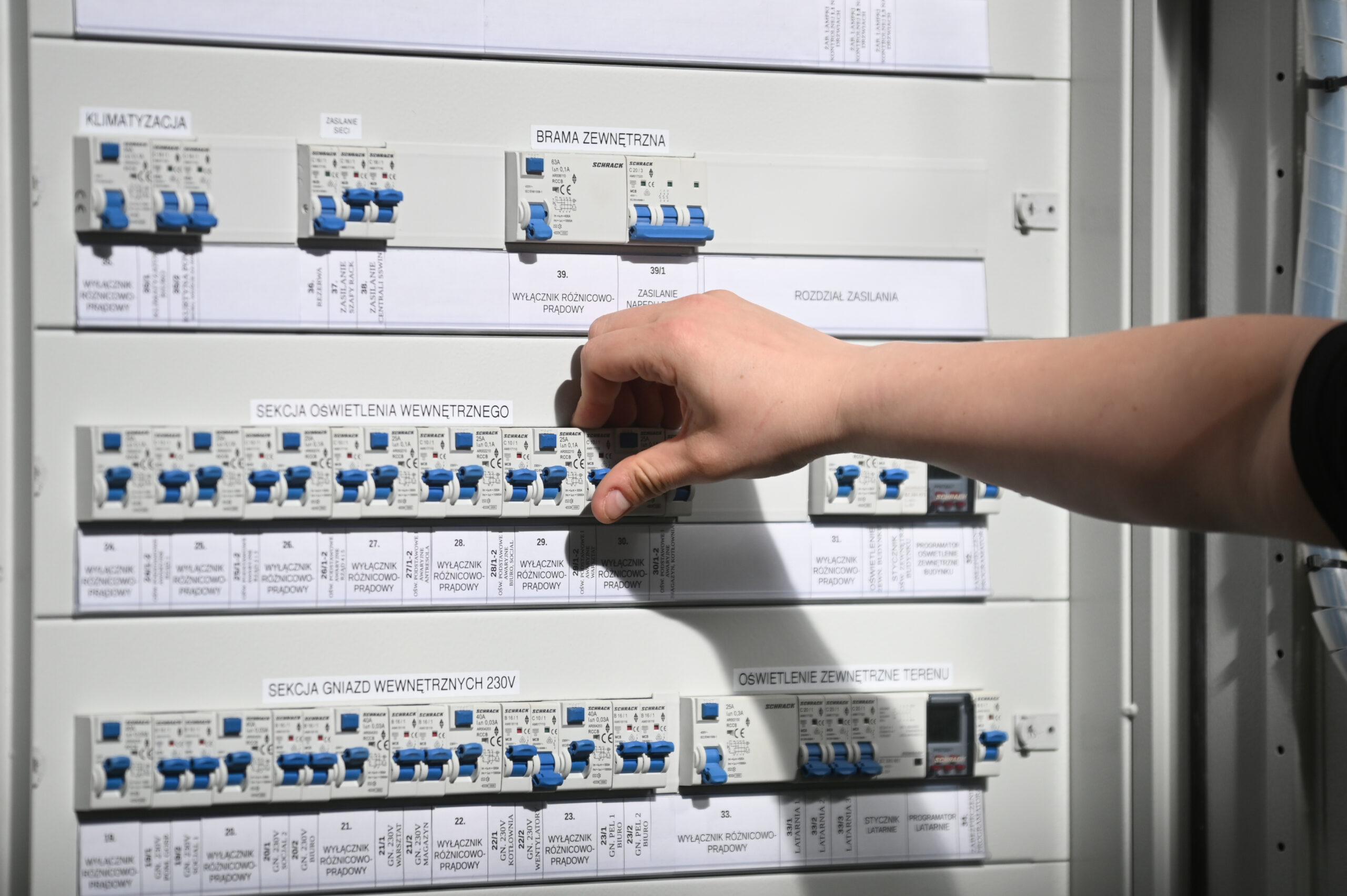
The distribution board is the control center of the entire electrical installation. It houses the protective devices that safeguard the installation against overloads, short circuits, and electric shock.
A modern electrical installation should be equipped with properly selected circuit breakers, residual current devices (RCDs), and protection devices suited to the characteristics of each electrical circuit.
Even during installation, it is advisable to leave extra space in the distribution board for future expansion. This makes adding new circuits or electrical devices much easier later on.
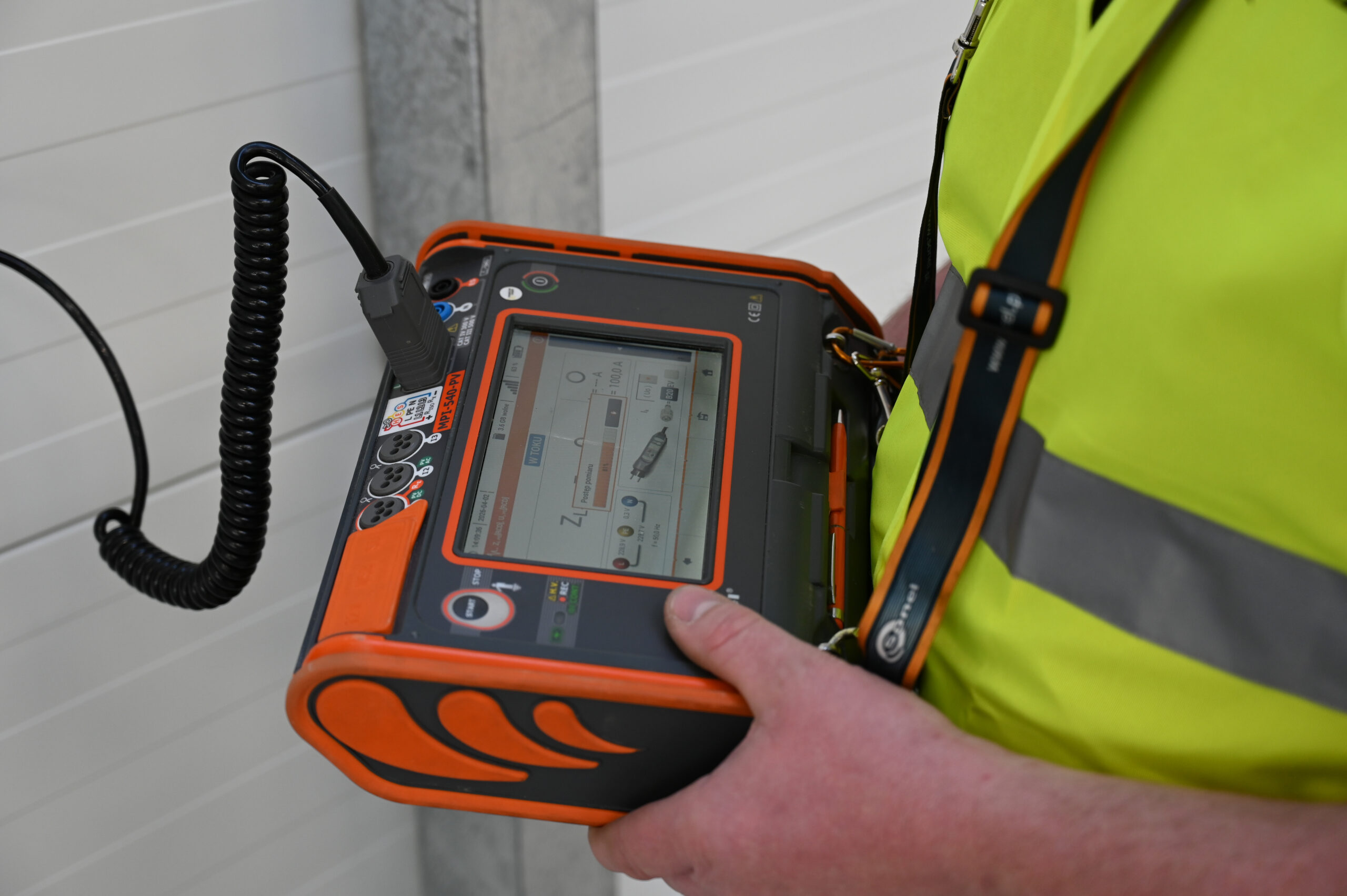
Once the installation work has been completed, acceptance testing is carried out. This is one of the most important stages, as it confirms that the electrical installation has been correctly installed and can be safely used.
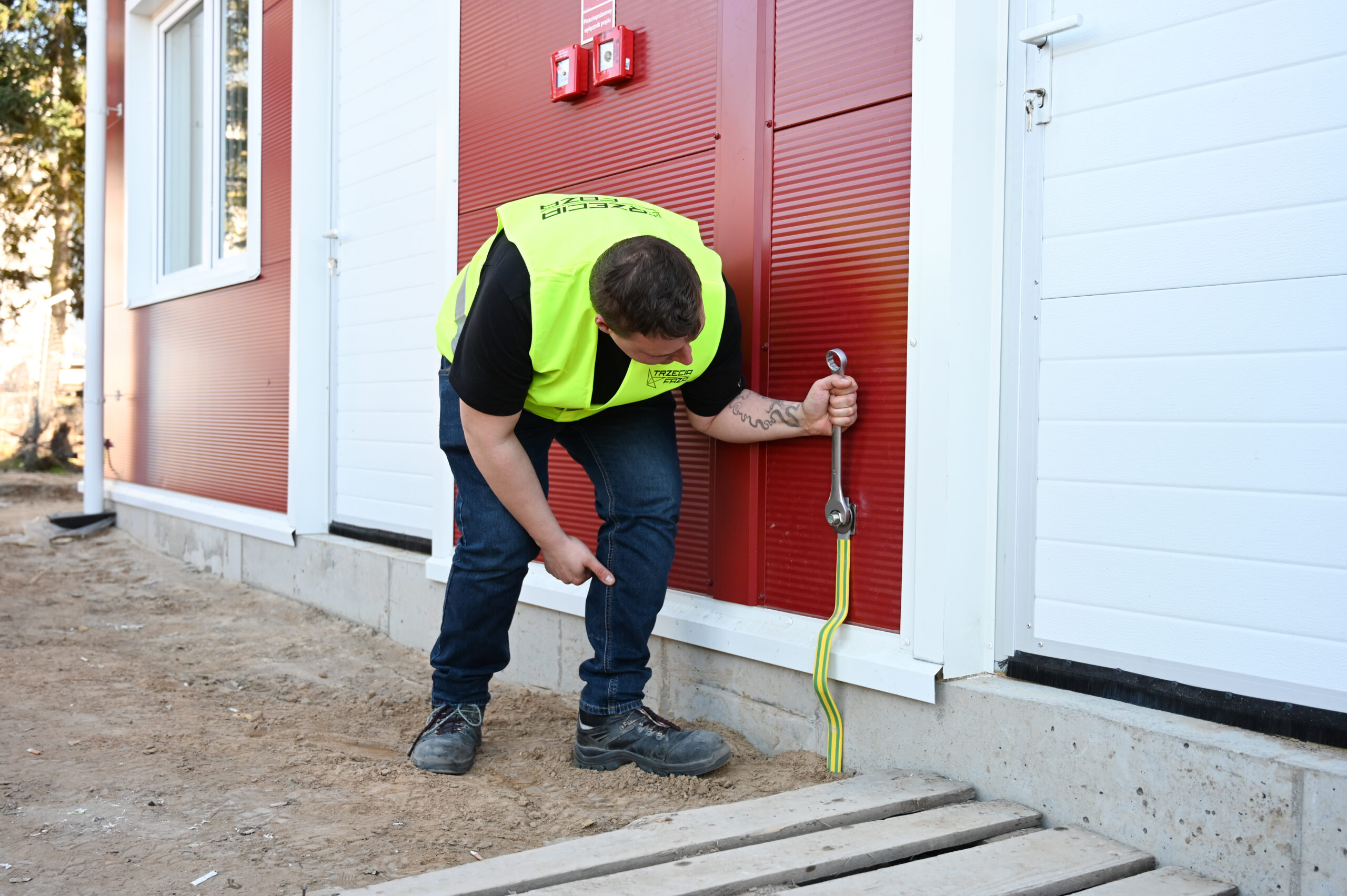
The tests include, among others, measuring cable insulation resistance, verifying the effectiveness of electric shock protection, and checking the proper operation of protective devices.
Based on the test results, an inspection report is prepared, confirming that the installation complies with applicable regulations and standards.
If you would like to learn more about electrical installation testing, read our article on 5-year electrical inspections.
After passing the final inspection, the installation is commissioned and can be put into operation. However, this does not mean that maintenance is no longer necessary.
To ensure that the electrical installation remains fully operational for many years, periodic inspections and electrical measurements should be carried out. These help detect damage, component wear, or deterioration of safety parameters before failures occur.
Regular inspections are particularly important when expanding the installation or adding new high-power electrical equipment.
Although every project is different, several common mistakes occur repeatedly. These include too few electrical circuits, an insufficient number of outlets, improperly selected protective devices, and leaving no room in the distribution board for future expansion.
Another common issue is designing the installation only for current needs. Modern homes are increasingly equipped with heat pumps, photovoltaic systems, smart home technologies, and electric vehicle chargers. It is worth considering these solutions already at the design stage, even if their installation is planned several years later.
An electrical installation in a single-family home is an investment for many years, which is why every stage of its implementation matters. From a well-prepared design and professional installation to acceptance testing, each step affects the safety, comfort, and reliability of the building.
It is worth remembering that a properly installed electrical system is not only compliant with regulations but also prepares the home for future needs and the development of new technologies.
If you are planning to build a house or modernize an existing installation, the specialists at Trzecia Faza can help design, install, and inspect your electrical installation in accordance with applicable standards and industry best practices.