Increasing connection capacity in a company – Procedure
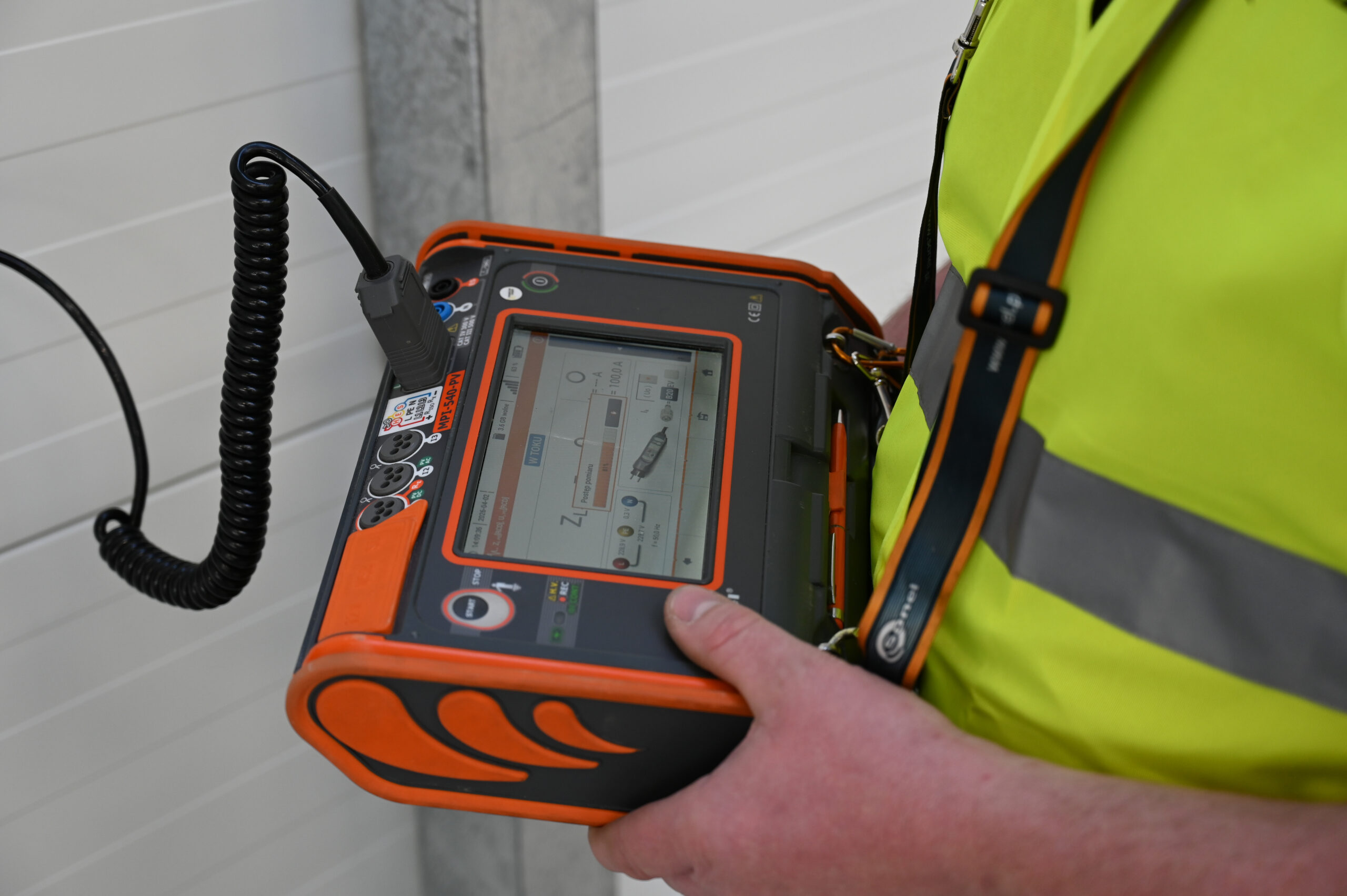
Expanding a machinery fleet, launching a new production line, installing air conditioning systems, heat pumps, or electric vehicle charging infrastructure – business growth very often means an increase in energy demand. At some point, the existing power supply parameters of a facility may no longer be sufficient. In such cases, it may be necessary to increase the connection capacity.
However, simply submitting an application to the grid operator is not always the right solution. First, it is worth assessing the facility’s actual power demand, the condition of the electrical installation, and the technical capabilities of the existing connection. In industrial facilities, the decision to increase connection capacity should be preceded by a thorough analysis, as the change may also require modernization of part of the electrical infrastructure.
What is connection capacity?
What is connection capacity?
Connection capacity defines the maximum power for which a given facility’s connection to the electricity grid has been designed and constructed. It is therefore one of the key parameters determining the power supply capabilities of a production plant, industrial hall, warehouse, or other commercial facility.
It is also important to distinguish connection capacity from contracted capacity. Contracted capacity is a parameter specified in the electricity supply agreement and cannot exceed the connection capacity. Increasing contracted capacity within the existing technical capabilities of the facility is therefore not the same as increasing connection capacity.
If a company requires more power than its existing connection can provide, it is necessary to begin the procedure for increasing the connection capacity.
When may increasing connection capacity in a company be necessary?
When may increasing connection capacity in a company be necessary?
One of the most obvious reasons is business growth. A company may commission additional machines, increase production, or change the way a building is used. Equipment that could previously operate simultaneously without any issues may begin to generate loads close to the limits of the existing power supply system.
The issue may also arise when modernizing a facility. A new production line, compressors, ventilation and air conditioning systems, heating equipment, or vehicle charging infrastructure can significantly change the facility’s energy balance.
Frequent tripping of the main protective device during periods of higher electricity consumption may also be a warning sign. This does not automatically mean that the connection capacity needs to be increased – the cause may also lie within the internal electrical installation – but it certainly requires professional diagnostics.
For this reason, the decision to increase connection capacity should not be based solely on the rated power of a single new device.
Increasing connection capacity or contracted capacity?
Increasing connection capacity or contracted capacity?
This distinction is important because a company does not always need to go through the entire procedure of increasing its connection capacity.
The existing connection may already have been designed for a sufficiently high capacity, while the company is currently using a lower contracted capacity. In such a case, the possibility of changing the contractual parameters should be verified.
However, if the planned demand exceeds the existing connection capacity, it will be necessary to apply to the relevant distribution system operator for new connection conditions.
Therefore, the first step should be to review the facility’s documentation and actual operating parameters.
How to determine the connection capacity a company needs?
How to determine the connection capacity a company needs?
In complex industrial facilities, simply adding together the rated power of all devices can lead to incorrect conclusions. Not every machine operates continuously, and not all equipment is started at the same time.
Factors that should be taken into account include the type of loads, the facility’s operating profile, load simultaneity, starting currents, and the company’s planned future development.
For this reason, technical parameters should be determined together with an electrical engineering specialist. This helps avoid both underestimating the required capacity and applying for significantly more power than the company actually needs.
What does the procedure for increasing connection capacity look like?
What does the procedure for increasing connection capacity look like?
The process of increasing connection capacity begins with submitting an application for connection conditions for an existing facility to the relevant distribution system operator.
The application should specify, among other things, the requested connection capacity and the technical parameters of the facility. The scope of required information and attachments depends on the operator, supply voltage, requested capacity, and characteristics of the installation.
After reviewing the application, the operator determines the technical conditions for increasing the connection capacity. In some cases, the existing infrastructure may allow for a relatively straightforward change in parameters. For larger projects, however, it may be necessary to rebuild the connection or other elements of the power supply infrastructure.
The next stage involves carrying out the work specified in the connection conditions and connection agreement. On the company’s side, this may require adapting the internal electrical installation to the new power supply parameters.
Once the required work has been completed, the installation is reported as ready, the operator carries out the necessary procedures, and the relevant documentation and agreements are updated.
Does increasing connection capacity require modernization of the electrical installation?
Does increasing connection capacity require modernization of the electrical installation?
Not always, but this is one of the most important issues that should be checked before increasing power consumption.
The fact that the operator can supply more power to the facility does not necessarily mean that the existing electrical installation is capable of handling it.
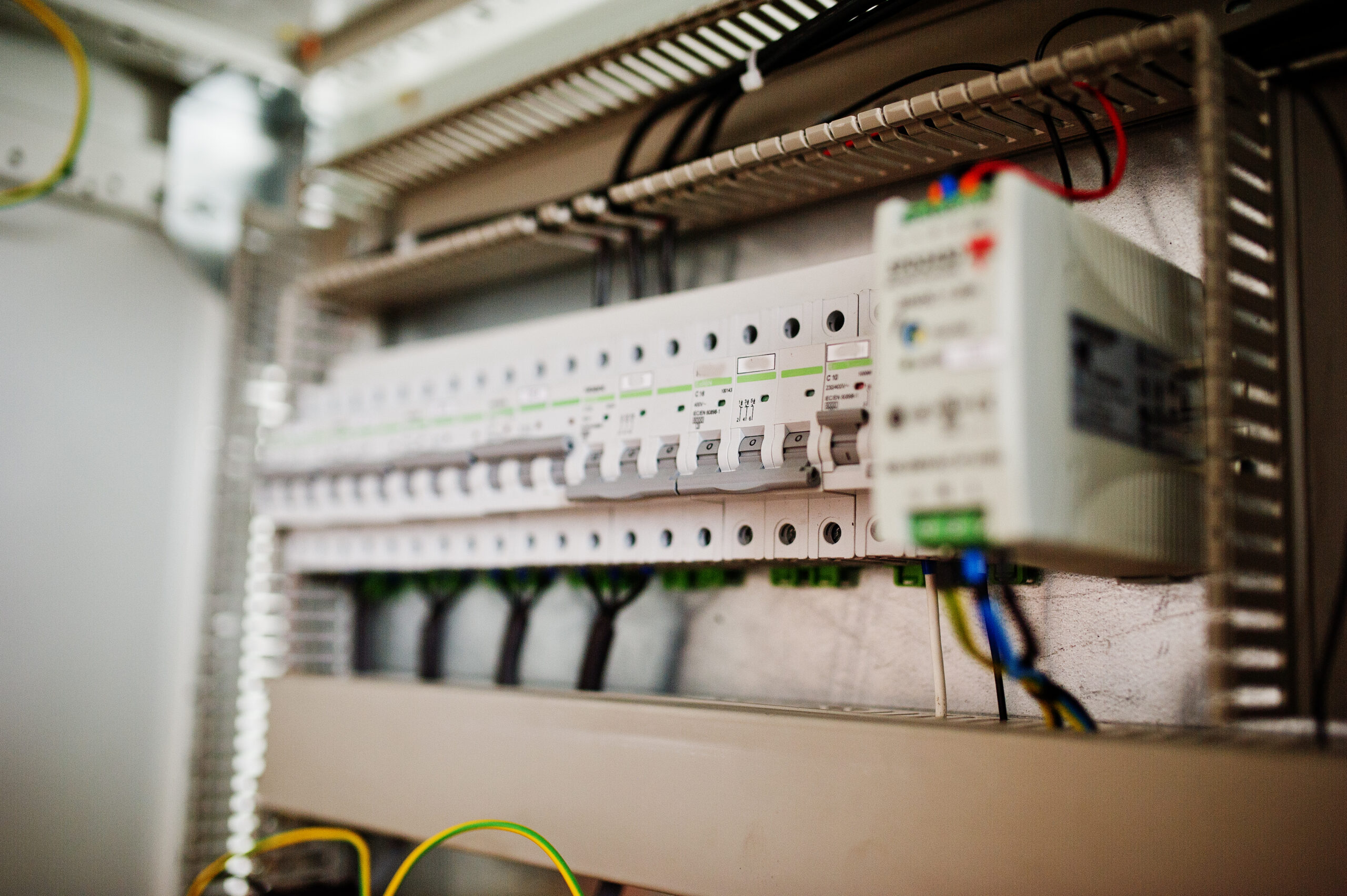
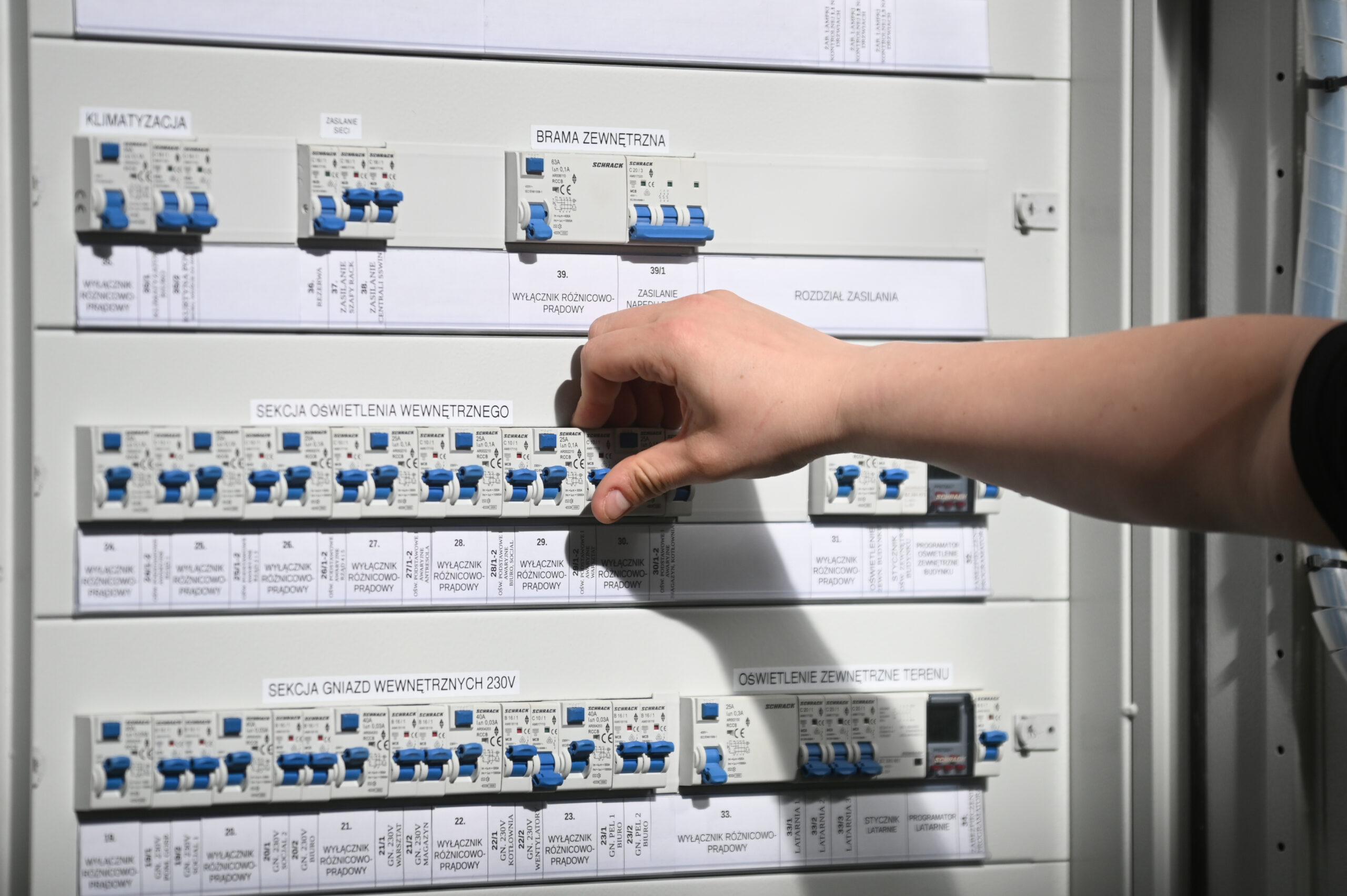
It may be necessary to verify the main distribution board, cable cross-sections, protective devices, metering system, and other components of the installation. In larger industrial facilities, the analysis may also include transformers, local distribution boards, and the way power is distributed between different areas of the company.
Increasing the available power without first checking the installation may lead to overloads, problems with protective devices, and an increased risk of failure.
How much does it cost to increase connection capacity?
How much does it cost to increase connection capacity?
There is no single price that applies to every company. The cost depends primarily on the amount of additional capacity required, the parameters of the existing connection, the connection group, and the scope of work necessary to adapt the infrastructure.
The operator may charge a fee related to increasing the connection capacity. If the existing connection needs to be rebuilt, the overall cost may be higher.
Any necessary modernization of the company’s own electrical installation must also be taken into account. For this reason, it is worth assessing the investment as a whole before starting the procedure rather than focusing solely on the fee charged by the operator.
How long does it take to increase connection capacity?
How long does it take to increase connection capacity?
The completion time depends on the scale of the change and the technical capabilities of the grid. If increasing the capacity does not require extensive infrastructure work, the process may be completed much more efficiently.
For large production facilities, the situation may be different. The need to rebuild the connection, modernize the power supply system, or carry out additional work on the grid side can significantly extend the entire process.
For this reason, increasing connection capacity should be included in the investment schedule well in advance, especially if a new production line or machine is expected to become operational by a specific date.
Why should an increase in connection capacity be planned before purchasing new machinery?
Why should an increase in connection capacity be planned before purchasing new machinery?
Purchasing equipment with high power demand without first checking the available power supply may result in a situation where the machine has already been delivered to the facility but cannot be safely commissioned.
Before making the investment, it is therefore worth verifying the machine’s power requirements, operating characteristics, protection requirements, and the capabilities of the existing electrical installation.
This makes it possible to determine in advance whether modernizing the internal installation will be sufficient, whether the contracted capacity needs to be changed, or whether an increase in connection capacity will be required.
In an industrial environment, such planning is particularly important because delays in commissioning new machinery can result in significant production losses.
Increasing connection capacity in a company
Increasing connection capacity in a company
An increase in connection capacity may be necessary when a company expands its machinery fleet, launches new production lines, extends its facility, or implements equipment that increases energy demand.
However, submitting an application to the grid operator should not always be the first step. It is worth first analyzing the current connection capacity and contracted capacity, the actual load on the installation, and the planned future demand.
This makes it possible to determine whether increasing the connection capacity is actually necessary and to prepare the installation for new operating conditions.
At Trzecia Faza, we support companies in analyzing electrical installations, modernizing power supply systems, and preparing infrastructure for increased energy demand. If you are planning to purchase new machinery, expand your facility, or increase your connection capacity, it is worth assessing the capabilities of your electrical installation before starting the investment.