Checklist before accepting an electrical installation

The acceptance of an installation is one of the most important stages of any project. At this point, you verify whether the electrical installation has been carried out in accordance with the design, applicable regulations, and safety standards. Any oversights at this stage can lead to costly corrections or, in extreme cases, pose a real risk to users.
That is why it is essential to carefully check several key elements before signing off on the installation.
Electrical installation and compliance with the design
The first step should be verifying whether the electrical installation has been completed in line with the project documentation. This includes both the placement of electrical points and the technical solutions used.
In practice, it is worth checking whether the number of sockets, switches, and lighting points matches the design, and whether they have been installed in the correct locations. Any discrepancies at this stage may require modifications that are much more difficult to carry out after completion.
Electrical installation and quality of workmanship
Another important aspect is the quality of execution. Even if everything looks correct on paper, installation errors can affect the safety and durability of the entire system.
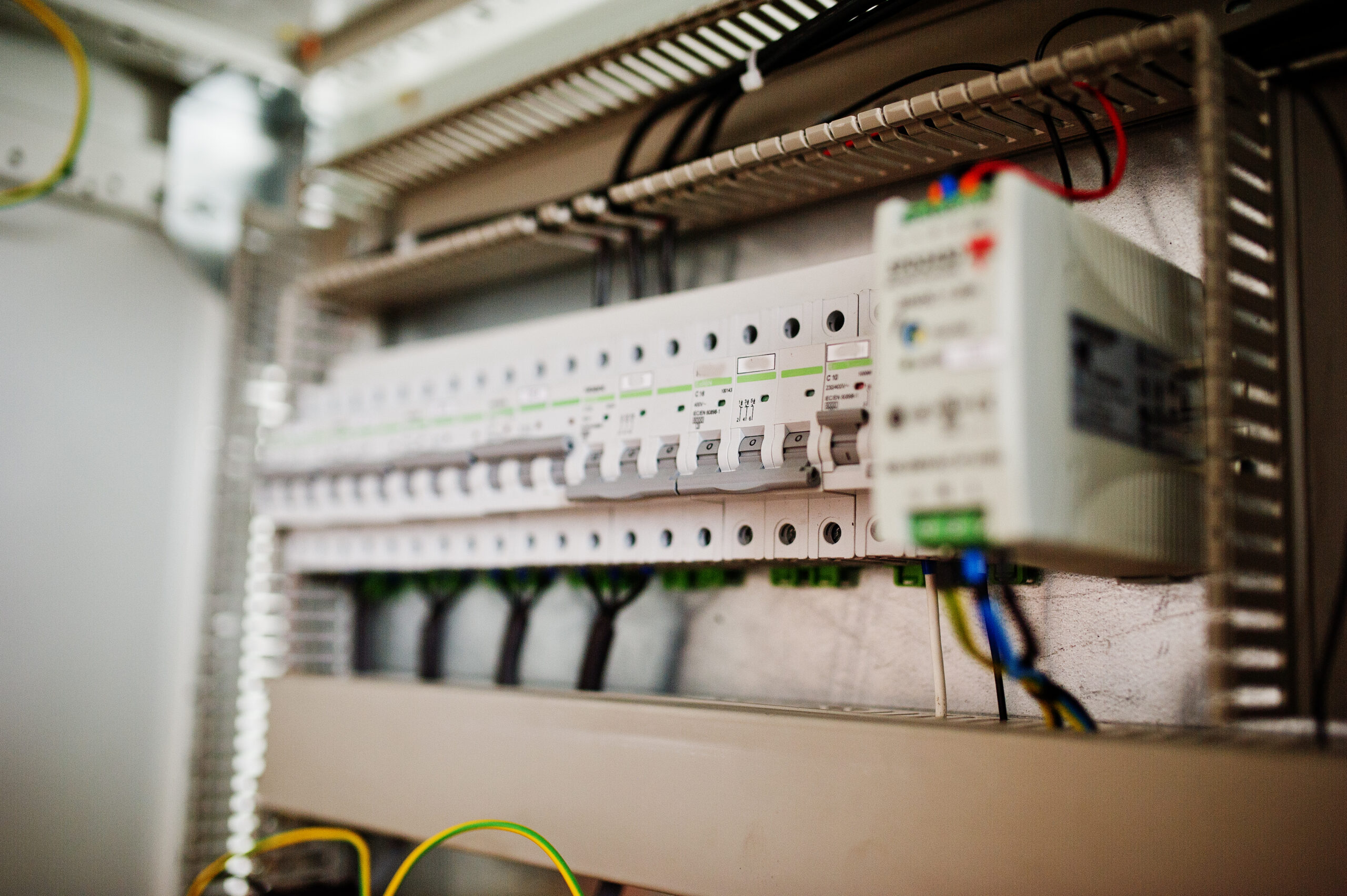
It is advisable to check the workmanship of the distribution board, the way cables are routed, and the quality of the electrical components used. A properly executed electrical installation should be neat, well-organized, and carried out with attention to detail—especially within the distribution board.
Electrical installation and protection systems
The distribution board is the core of the system, so its inspection is crucial before acceptance. The electrical installation should include appropriate protection devices that safeguard against overloads, short circuits, and electric shock.
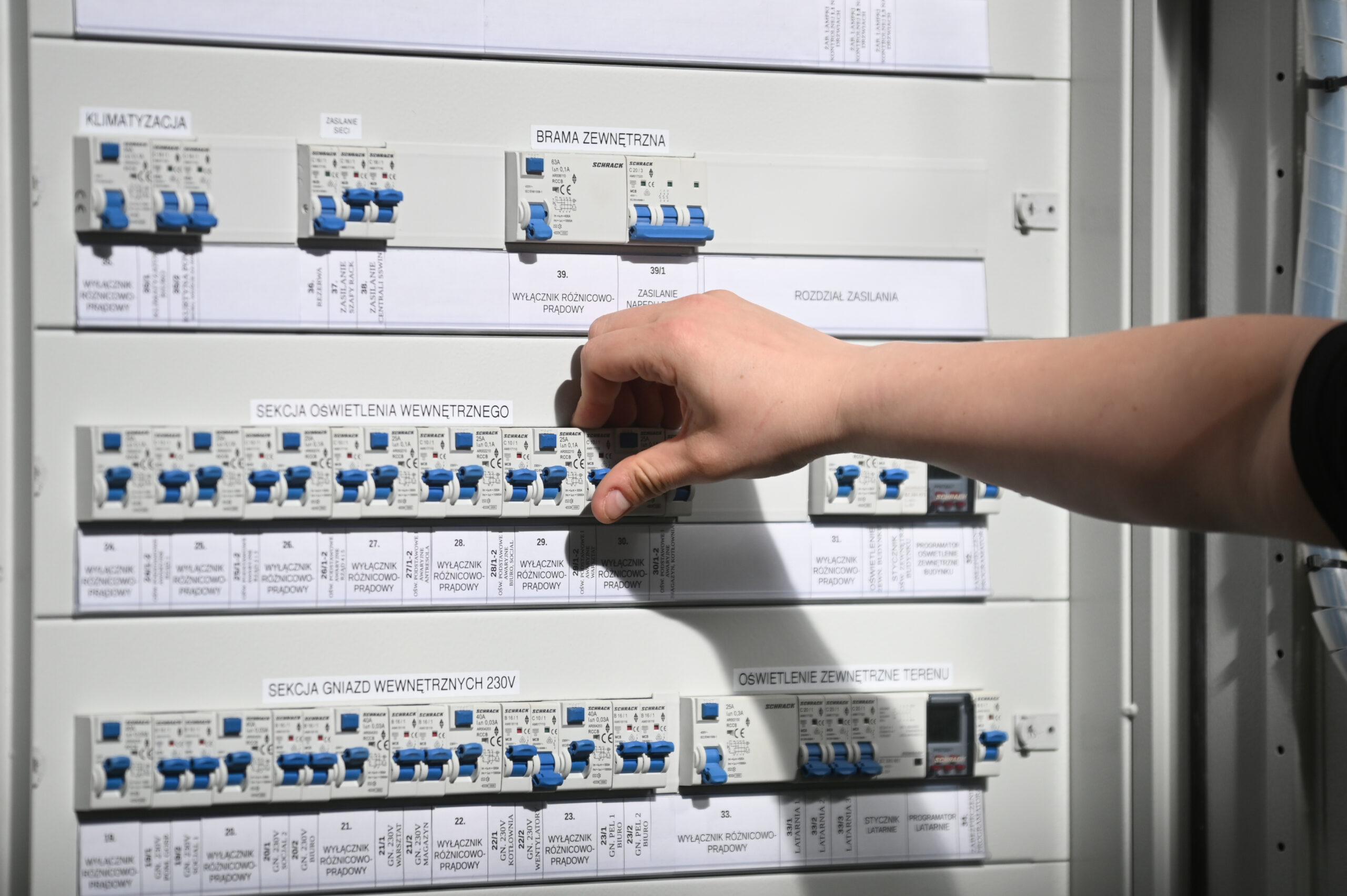
It is important to verify whether suitable circuit breakers and residual current devices have been installed, and whether the circuits are clearly labeled. Proper labeling is essential for future operation and maintenance work.
Electrical installation and acceptance testing
One of the most critical steps in the acceptance process is testing, which confirms that the electrical installation is safe and ready for use.
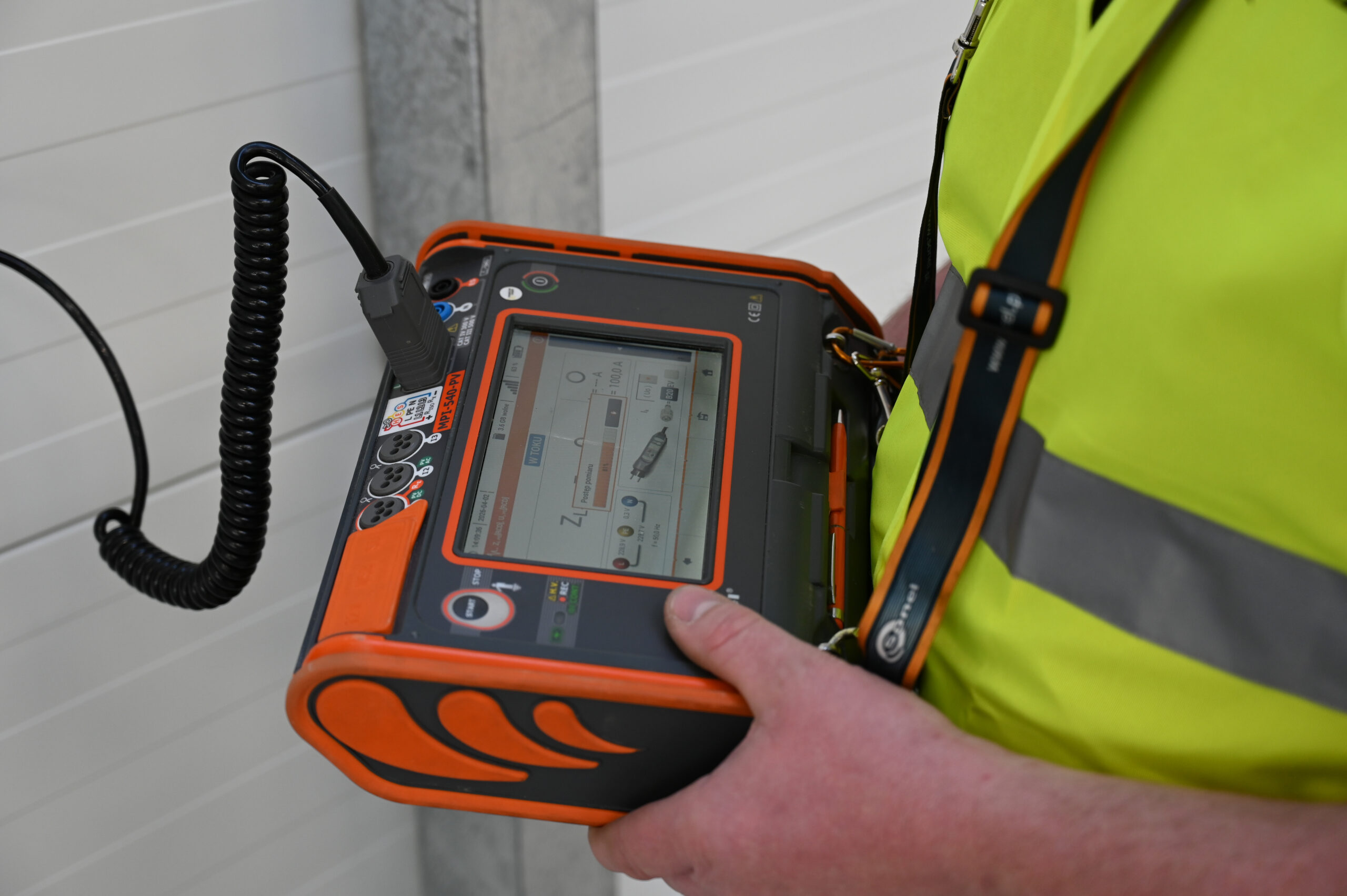
This includes measurements such as insulation resistance, effectiveness of shock protection, and verification of protective device operation. These tests provide real assurance that the installation functions correctly, not just that it appears to be properly installed.
Electrical installation and as-built documentation
Acceptance is not only about checking the physical installation but also the documentation. The electrical installation should be accompanied by a complete set of documents confirming proper execution.
These typically include measurement reports, installation diagrams, and any changes made during the project. Missing documentation can create problems in the future, especially during maintenance, troubleshooting, or system expansion.