What does the electricity connection procedure look like?
Connecting electricity to a new building or plot is one of the key stages of any construction project. Without electrical power, it is not possible to start construction work or later use the facility. The procedure itself is formalized and consists of several stages that must be completed in the correct order.
Below is a practical step-by-step explanation of the entire process.
Application for electricity connection conditions
The first stage is submitting an application to the distribution system operator for the issuance of connection conditions. This document defines how the electricity connection can be made for a specific property.
The connection conditions specify, among other things, the permitted connection capacity, the connection point to the grid, and the technical requirements that must be met. At this stage, it is also determined whether a new connection must be built or whether existing infrastructure can be used.
Design and execution of the electrical connection
After receiving the connection conditions, the next step is preparing the design documentation. Depending on the scope of work, it may include both the section from the power grid to the property boundary and the internal installation.
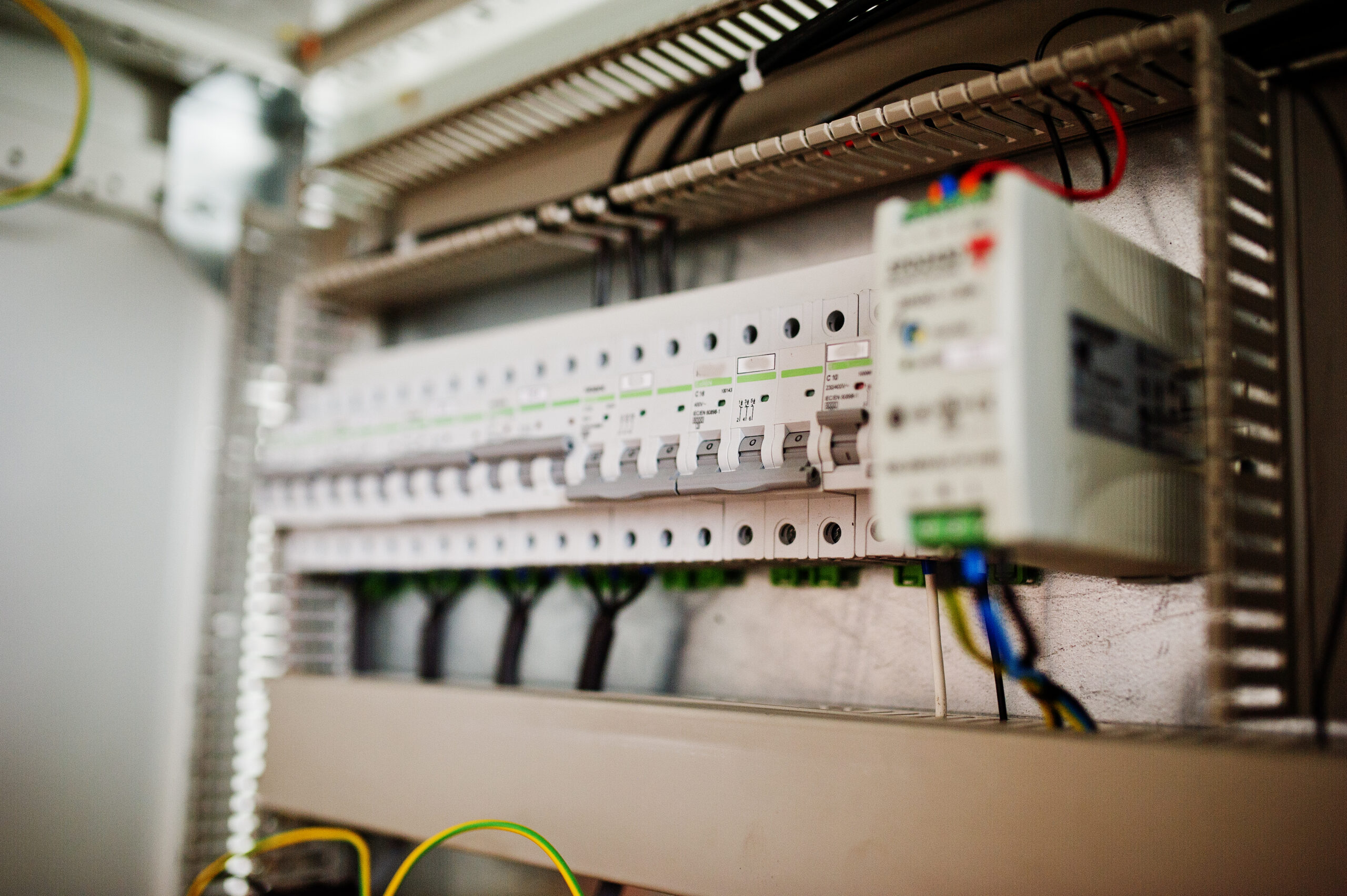
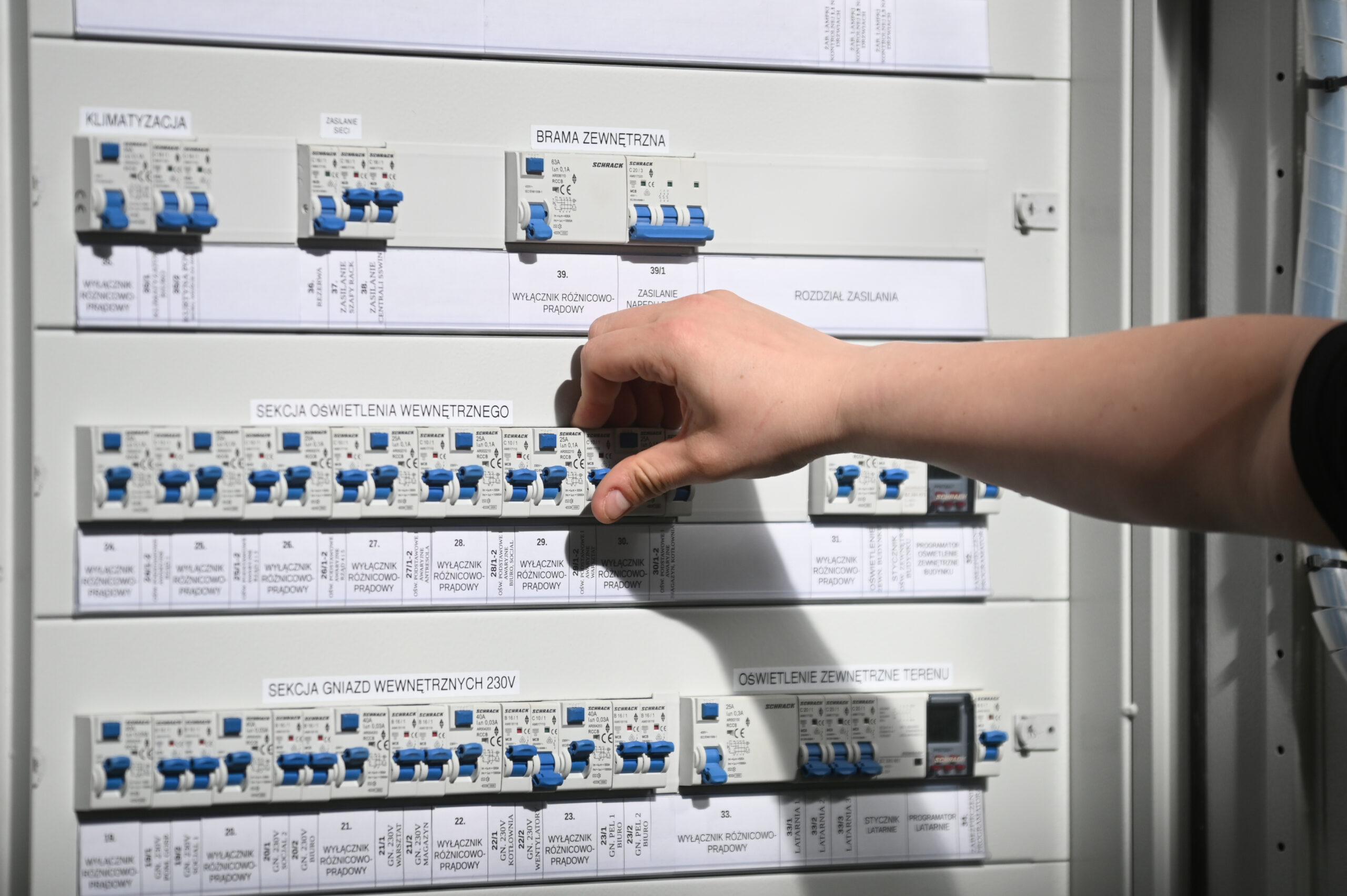
The electrical connection is then physically executed. In practice, this involves running the power cable to the building and installing appropriate protection devices and distribution equipment. This stage requires cooperation with a qualified electrician and compliance with applicable standards.
Installation of the metering system
Another step in the electricity connection procedure is the installation of the metering system, i.e. the electricity meter. Depending on the operator, it may be installed in a cable connection cabinet or a dedicated metering box.
The meter records electricity consumption and serves as the basis for billing with the energy supplier. It is usually installed after the connection has been completed and the installation has been reported as ready for inspection.
Inspection of the installation and signing the contract
Before the actual electricity connection is activated, a technical inspection of the installation is required. During this stage, the correctness of the connection, compliance with the design, and overall installation safety are checked.
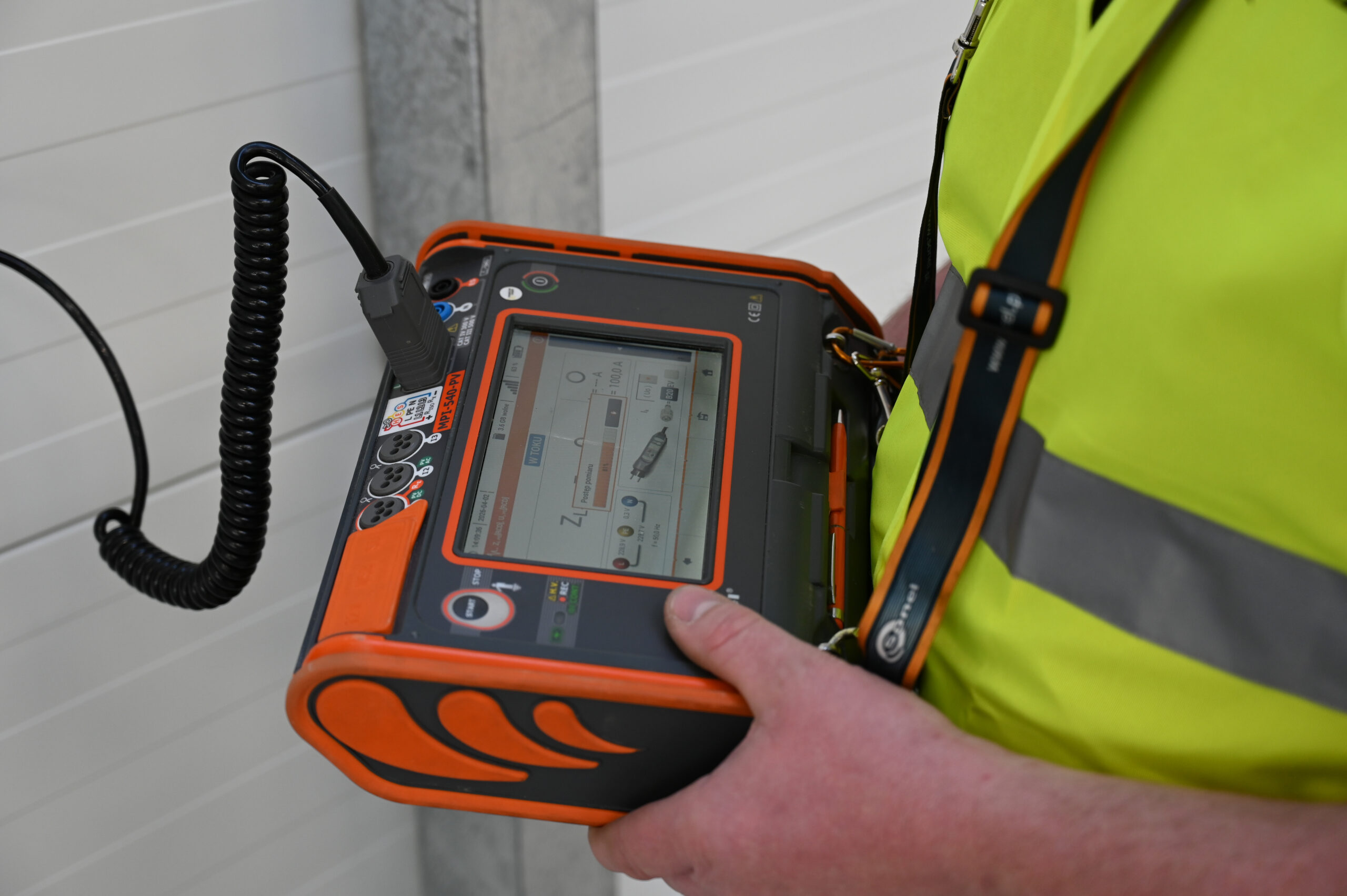
In many cases, electrical measurements are also required to confirm that the installation can be safely used.
After a positive inspection result, it is possible to sign a contract with the electricity supplier. Only then is the power supply activated.
Final electricity connection
The final stage of the procedure is the physical connection of the installation to the power grid and activation of the supply. From this moment, the building is powered with electricity and can be used or construction work can continue.
In construction projects, a temporary connection is often used beforehand, allowing work to continue before the final installation is completed.
Summary
The electricity connection procedure is multi-stage and requires completing formalities, design work, installation execution, and technical inspections. Each step is important for ensuring safety and long-term reliability of the power supply.
A well-planned process helps avoid construction delays and issues during installation acceptance.
If you need support in electrical installations, connections, or measurements, it is worth working with Trzecia Faza, which provides comprehensive electrical services for construction and industrial projects.