Construction site power supply – regulations every investor should know
Starting the construction of a house, industrial hall, or commercial building requires proper preparation of the technical infrastructure. One of the most important elements of organizing construction work is providing electrical power to the construction site. Without access to electricity, it is impossible to use power tools, construction machinery, lighting, or social facilities for workers.
However, it is important to remember that construction site power supply is regulated by specific regulations designed to ensure the safety of people and the proper functioning of electrical installations during construction works. In practice, this means fulfilling certain formal requirements and installing the system in accordance with applicable standards.
What regulations govern construction site power supply in Poland?
The issue of supplying electricity to a construction site is primarily regulated by building and energy laws. The most important legal act is the Polish Construction Law, which defines the rules for organizing a construction site and the responsibilities of participants in the construction process. Another key regulation is the Polish Energy Law, which governs the rules for connecting facilities to the power grid.
Additionally, regulations concerning occupational health and safety during construction works must be followed. These rules impose an obligation to ensure the safe use of electrical installations and appropriate protection against electric shock.
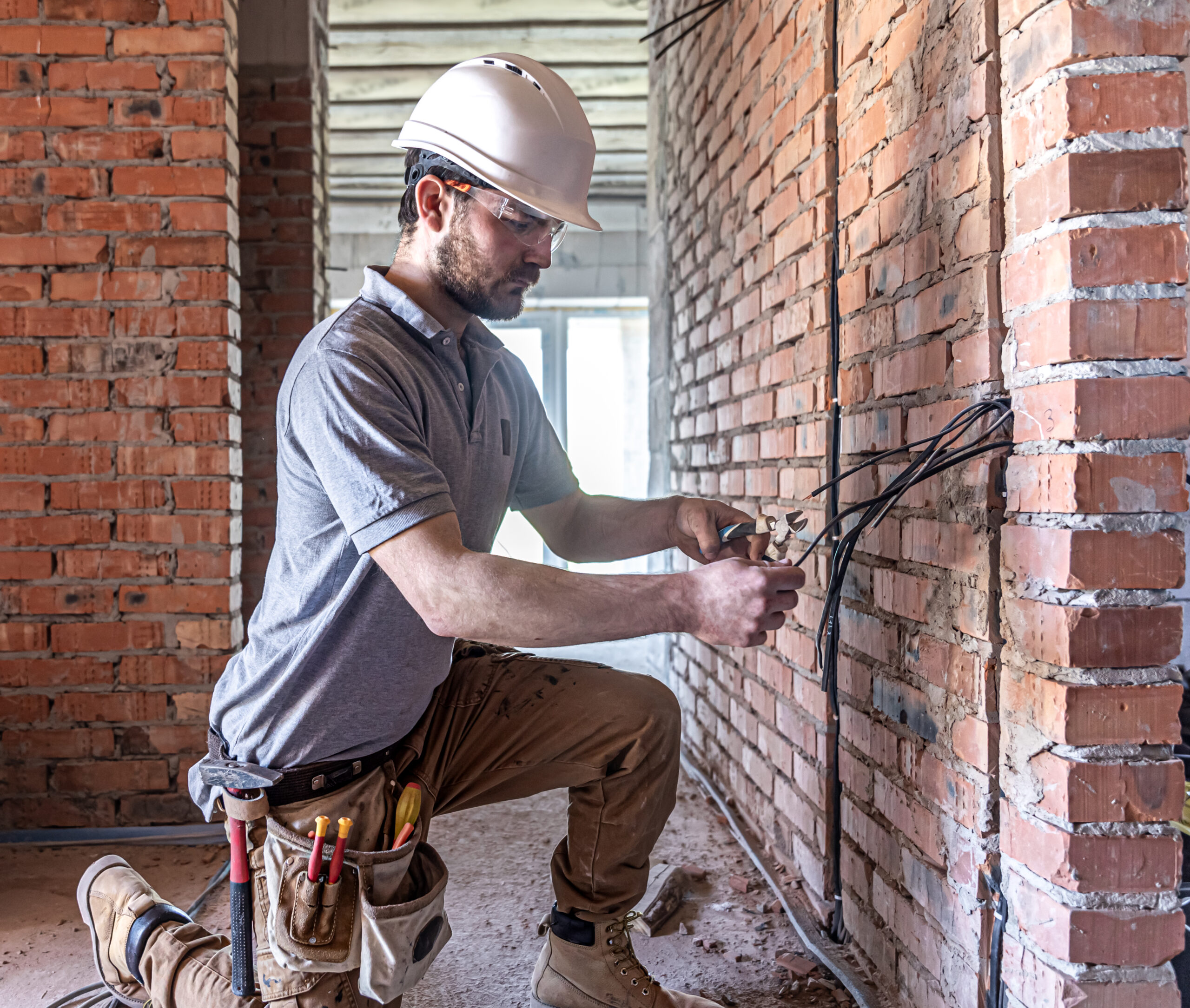
In practice, this means that the electrical installation on a construction site must be carried out by a person with the appropriate electrical qualifications, and before it is put into operation, electrical measurements should be conducted to confirm that the installation is safe to use.
What is temporary power supply on a construction site?
At the beginning of an investment project, the final electrical installation of the building is usually not yet completed. For this reason, a temporary construction power supply is used, commonly referred to as construction electricity.
A temporary power connection allows all essential construction work to be carried out. It enables the use of power tools, construction machinery, work lighting, and social containers for employees.
Depending on the needs of the project, either single-phase or three-phase power supply is used. For larger construction projects, a three-phase installation is more common because it allows devices requiring higher power, such as concrete mixers or other construction equipment, to operate efficiently.
How to connect electricity to a construction site?
To legally provide electricity to a construction site, several formal steps must be completed. The first step is submitting an application to the local power distribution operator for the conditions of connection to the electricity network. This document specifies, among other things, the permitted connection power and the method of installing the connection.
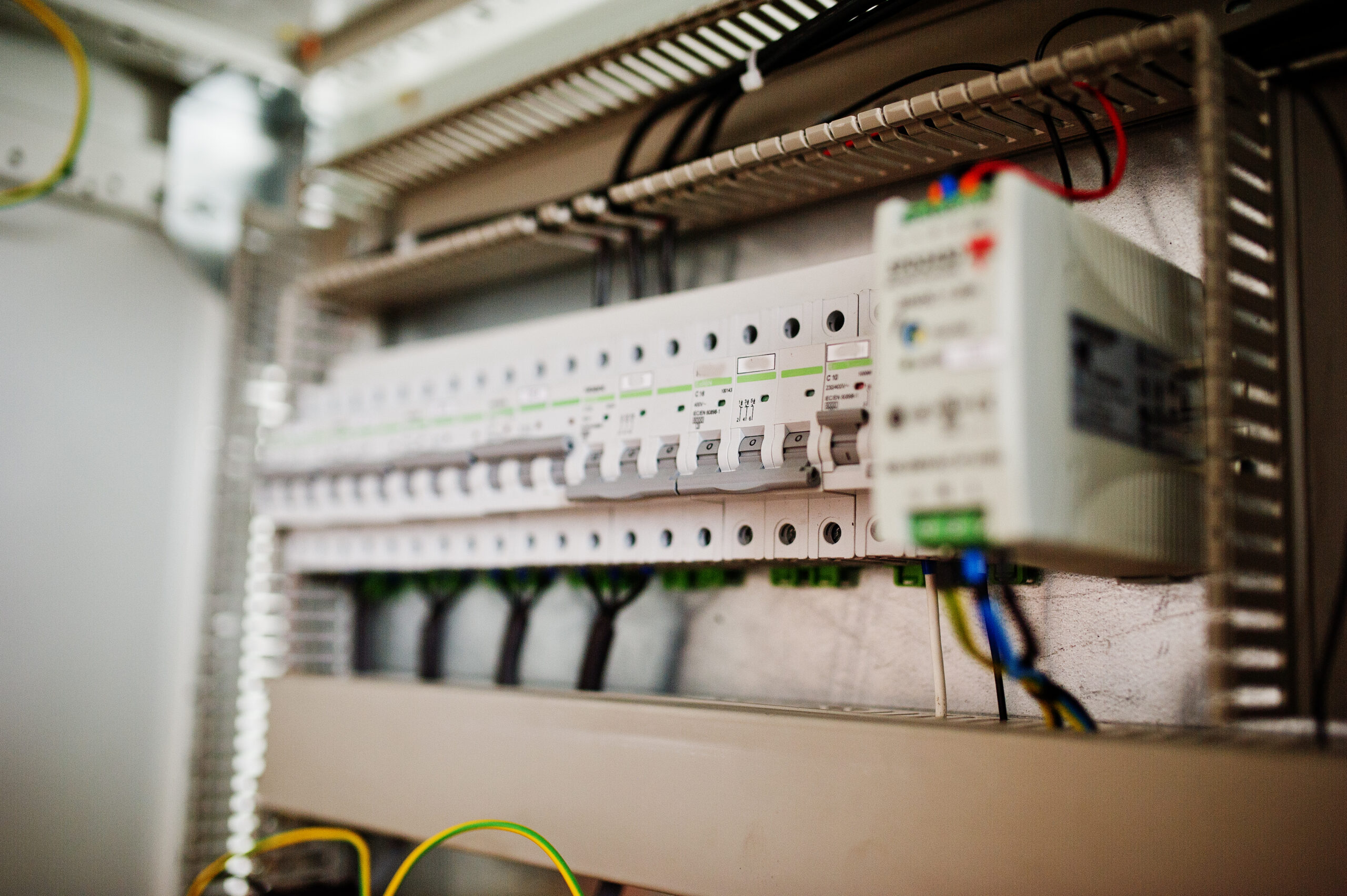
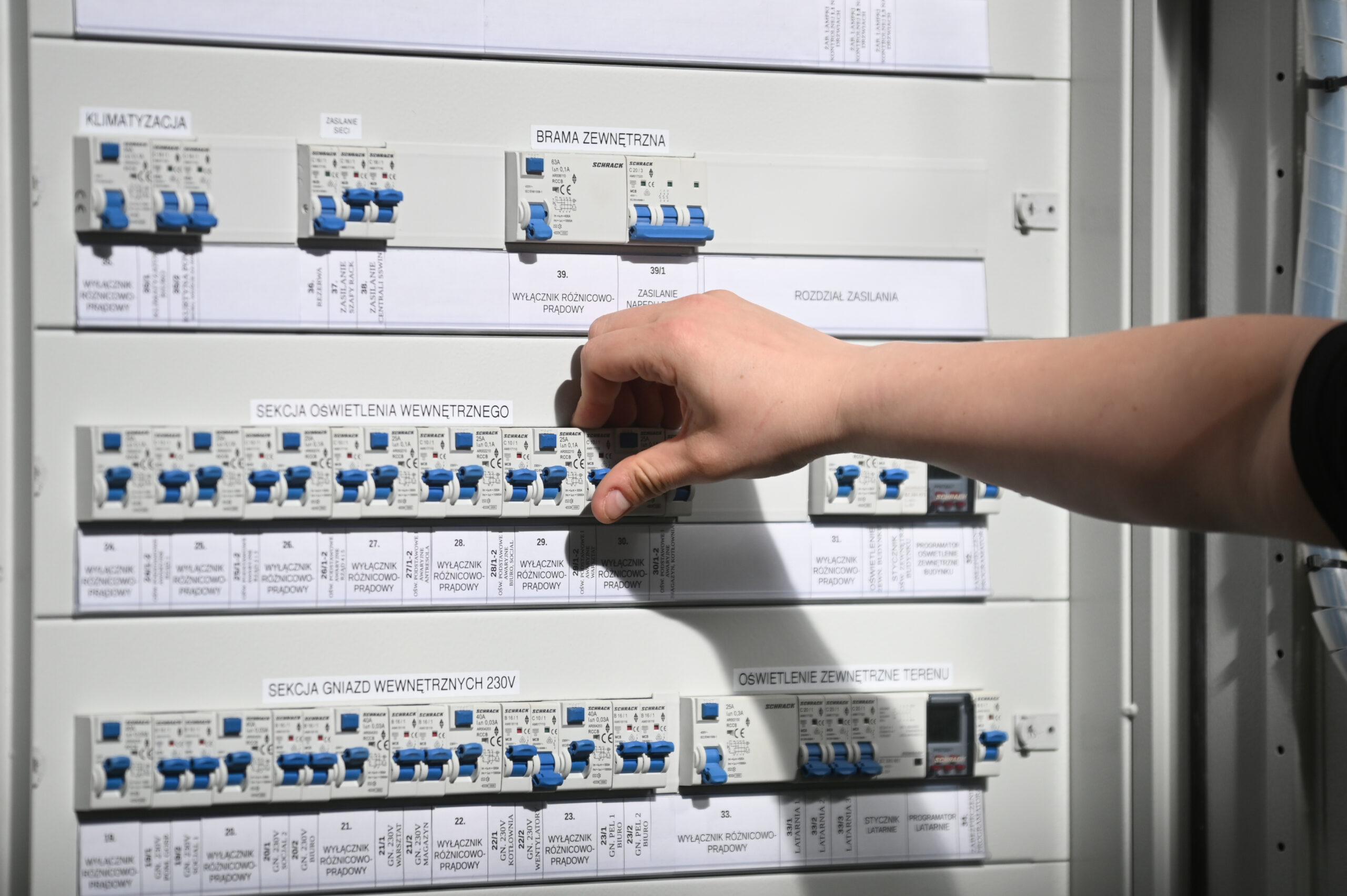
Once the connection conditions are obtained, a construction distribution board is installed. This is a special electrical box equipped with safety protections and power outlets. All electrical devices used on the construction site are supplied from this distribution board.
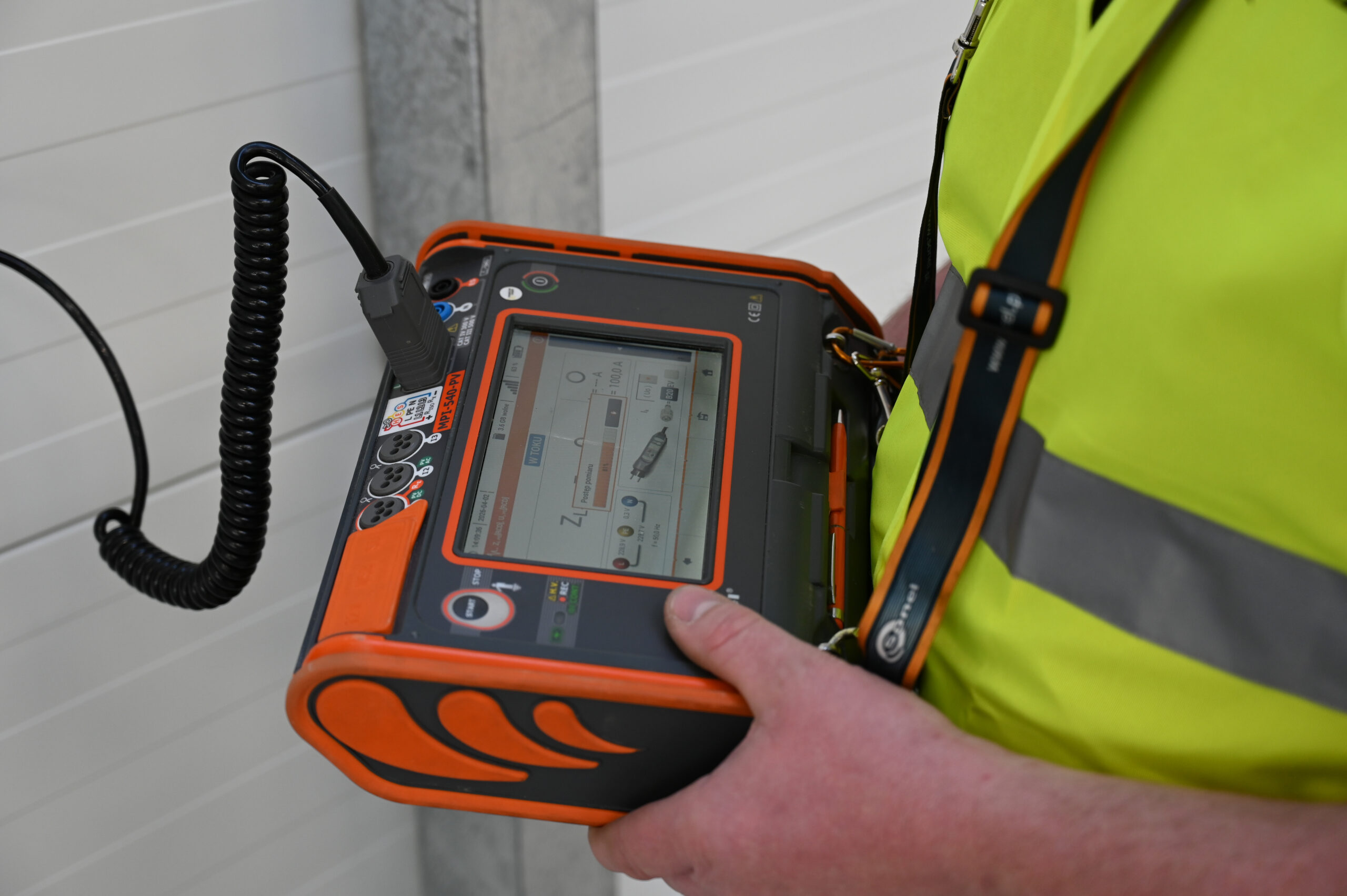
Before the installation can be used, appropriate electrical measurements must be carried out to confirm the correct operation of safety protections and the overall safety of the installation.
More information about professional electrical installation measurements can be found – here.
Electrical installation safety on a construction site
A construction site is an environment where electrical installations are particularly exposed to damage. Cables and equipment may be affected by moisture, mud, dust, and mechanical damage. For this reason, electrical systems used during construction must meet increased safety requirements.
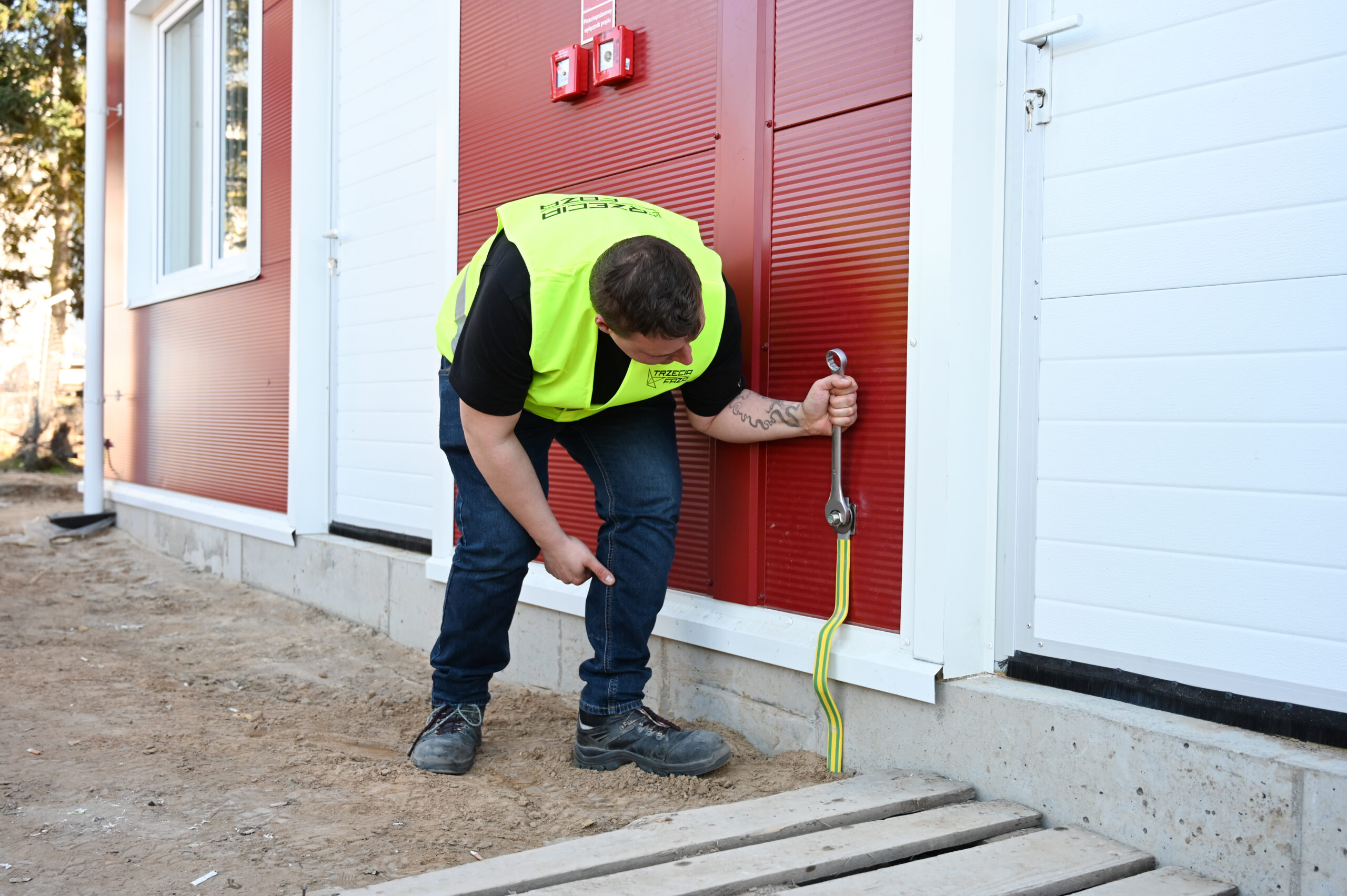
Proper protection against electric shock is crucial. In practice, this involves the use of appropriate overcurrent protection, residual current devices, and proper grounding of the installation.
Regular inspections and electrical measurements are also very important. They help detect potential irregularities and prevent serious failures or accidents on the construction site.
Providing electricity to a construction site is an essential element of any construction project. Regulations clearly state that the installation must be carried out in accordance with legal requirements and workplace safety rules.
A properly executed construction power connection allows electrical equipment to be used safely and ensures that work can proceed without the risk of failure or danger to workers. For this reason, the installation and its measurements should be entrusted to experienced specialists with the appropriate qualifications.