Electrical Measurements – What do they include and why are they so important?
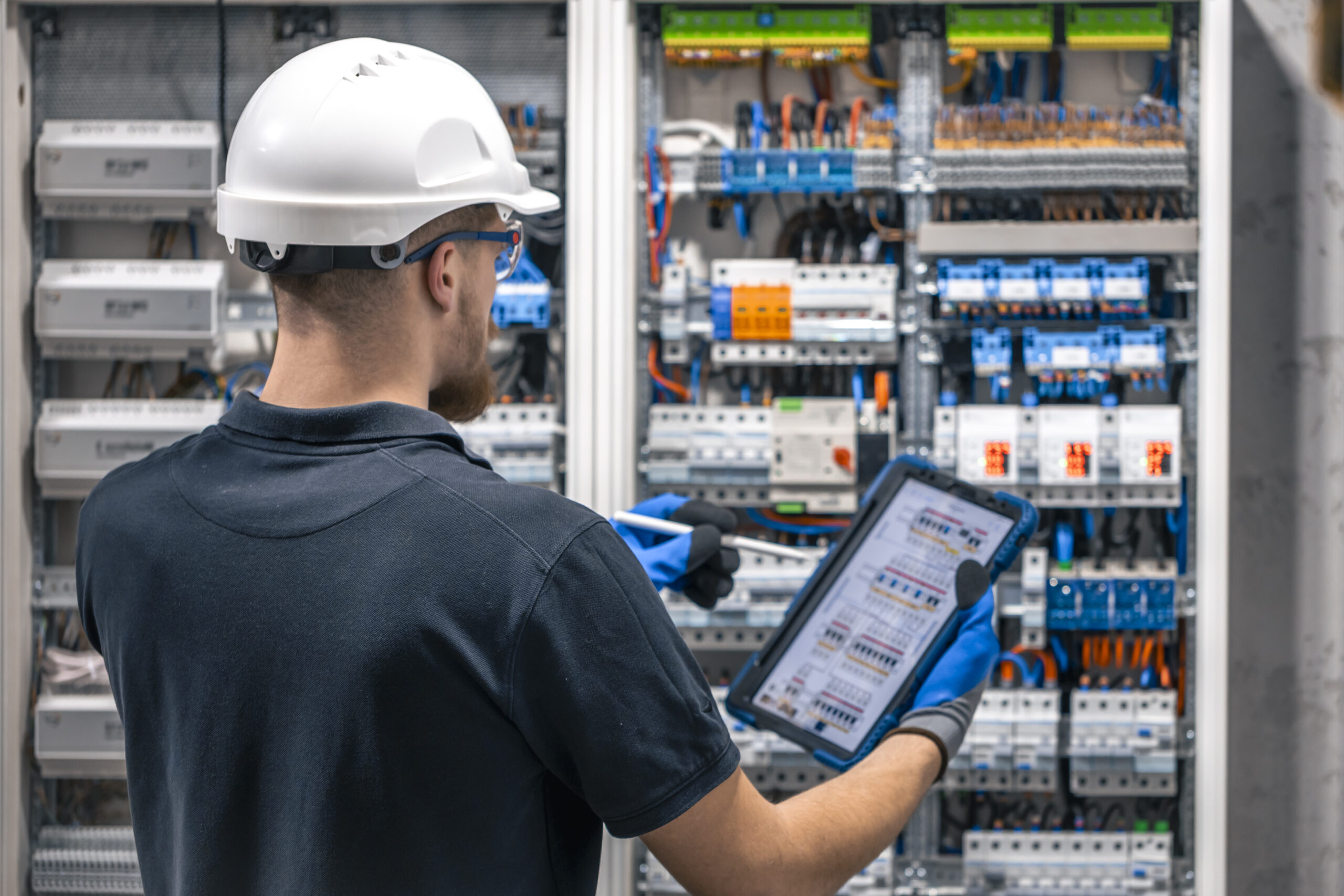
Electrical measurements are one of the key elements in ensuring installation safety and compliance with applicable regulations. They are carried out in residential buildings, industrial facilities, and public utility structures. Their purpose is to verify whether the electrical installation operates correctly, safely, and efficiently.
In this article, we explain what electrical measurements include, when they should be performed, and why they are important for users and property owners.
What are electrical measurements?
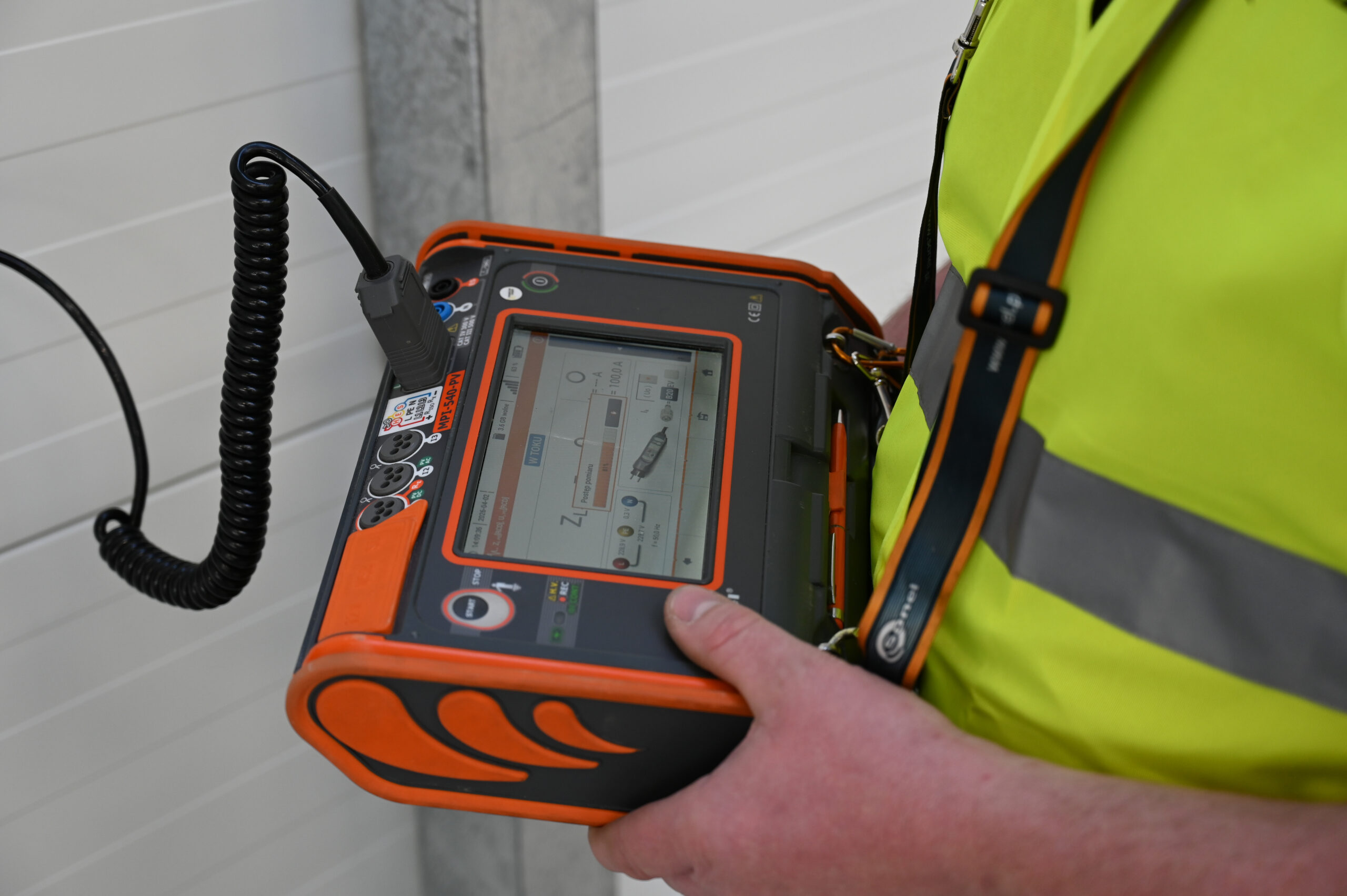
Electrical measurements are a set of specialized technical tests performed by a qualified electrician. Their purpose is to assess the technical condition of an electrical installation and confirm that it meets safety requirements defined by standards and legal regulations.
Regular electrical measurements help to:
-
prevent fires caused by short circuits
-
protect users from electric shock
-
detect insulation damage
-
confirm the proper operation of protective devices
-
avoid legal liability in the event of a failure
What is included in the scope of electrical measurements
The scope of work may vary depending on the type of facility, but standard electrical measurements typically include the following tests.
One of the fundamental tests is the measurement of insulation resistance. This examination verifies the condition of cable insulation. Low resistance values may indicate insulation damage, which significantly increases the risk of short circuits and fire.
Another essential element is the verification of shock protection effectiveness. This test confirms whether the installation disconnects the power supply properly in the event of a fault. It includes, among others, the measurement of earth fault loop impedance.
Electrical measurements also involve checking the continuity of protective conductors and equipotential bonding connections. The purpose is to ensure that protective conductors (PE) are properly connected and provide effective protection against electric shock.
Testing residual current devices (RCDs) is equally important. These devices are designed to disconnect the power supply immediately when irregularities are detected. Proper testing confirms that they operate within the required parameters.
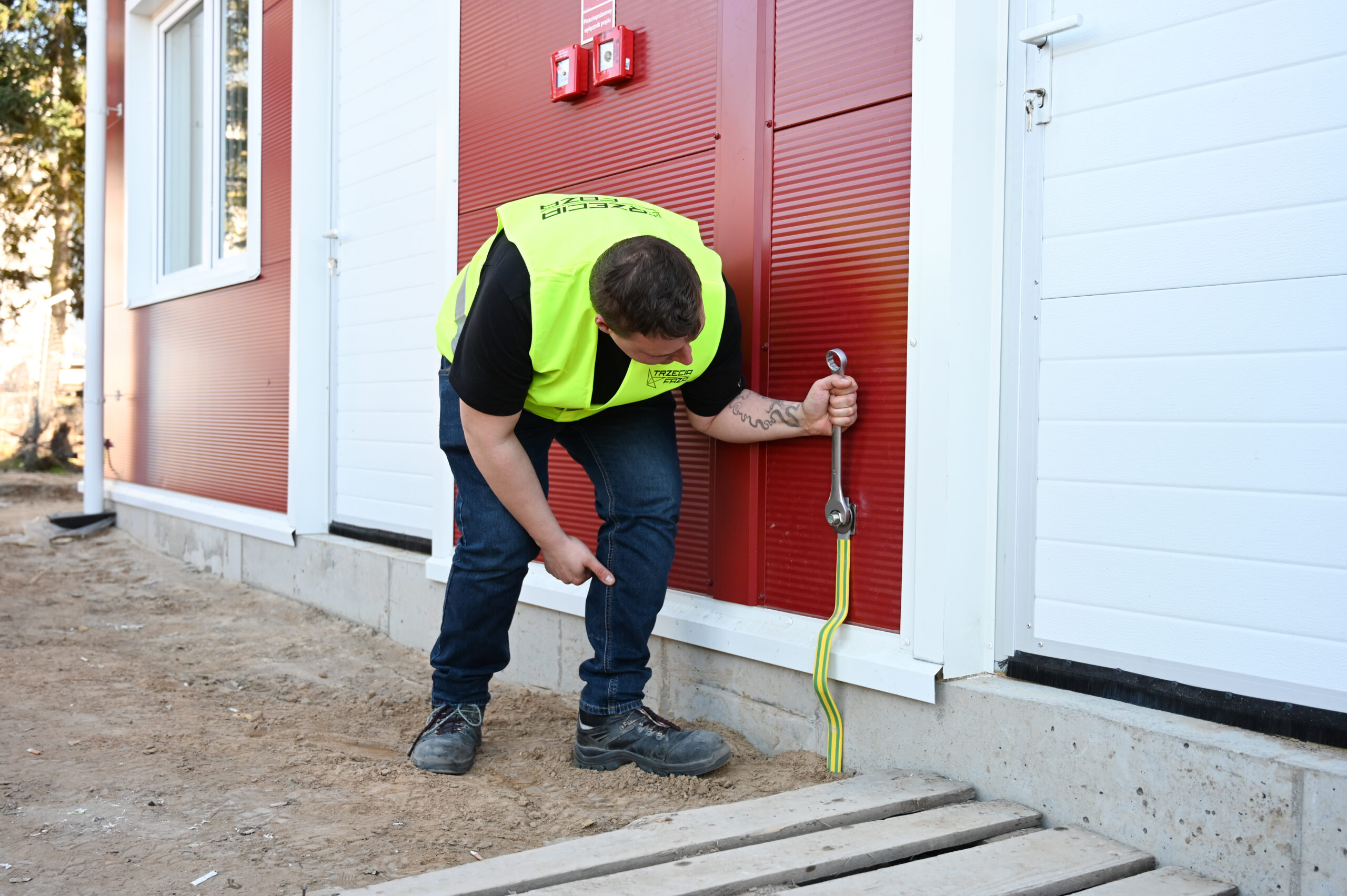
In many cases, especially in industrial facilities and lightning protection systems, measuring earth resistance is necessary. Proper grounding minimizes the risk of equipment damage and ensures user safety.
In workplaces, electrical measurements may also include lighting intensity tests to verify compliance with occupational health and safety standards.
When should electrical measurements be performed?
The frequency of electrical measurements is regulated by building law; however, in practice, they should result not only from formal obligations but also from a responsible approach to safety.
Electrical measurements are required before a building is put into operation. They are a crucial part of the technical acceptance process. Without valid measurement reports confirming proper installation performance, a building should not be approved for use.
Measurements are also necessary after any modernization or extension of the installation. Even partial replacement of cables, switchboards, or protective devices affects the system’s operating parameters. After such work, it must be confirmed that the installation complies with current standards.
They should also be carried out after failures, particularly following short circuits, power surges, or flooding. In such cases, damage may not be visible to the naked eye, and only professional testing can reveal deterioration in insulation parameters or ineffective shock protection.
Building regulations also require periodic inspection of electrical installations—at least once every five years in residential buildings. In practice, this means electrical measurements should be treated as a permanent element of property management. In industrial, production, or explosion-risk facilities, inspections are performed more frequently due to higher operational loads and increased risk of damage.
Regular electrical measurements are therefore not merely a legal formality. They are a preventive measure that helps detect irregularities at an early stage, prevent costly downtime, and most importantly, protect the life and health of building users.
Who is authorized to perform electrical measurements?
Electrical measurements should be carried out by a qualified professional holding the appropriate certifications and electrical authorizations. After the tests are completed, a measurement report is issued, serving as official documentation confirming the technical condition of the installation.
Why is it worth performing electrical measurements regularly?
Regular electrical measurements are not only about fulfilling legal obligations but also about conscious risk management. Property owners and entrepreneurs often treat them as paperwork requirements. In reality, up-to-date measurement reports directly impact user safety, operational stability, and the legal position of the property owner.
Lack of valid testing can complicate technical acceptance procedures and inspections. Inspectors require confirmation that the installation complies with current standards. Missing or outdated documentation may lead to delays, additional costs, or the need for urgent testing.
More serious consequences arise in the event of an accident, electric shock, or fire caused by a short circuit. In such cases, the first step is to analyze the technical condition of the installation and verify whether regular electrical measurements were performed. If not, liability may fall on the property owner or facility manager.
Insurance considerations are equally important. Insurance companies verify whether the installation was inspected in accordance with regulations. The absence of valid measurement reports may result in reduced compensation or even a refusal to pay claims. This could mean covering repair costs, production losses, or reconstruction expenses out of pocket.
The financial aspect of ongoing operation should also not be overlooked. Regular electrical measurements help detect deteriorating insulation parameters, malfunctioning protective devices, or improper grounding at a stage when repairs are still relatively simple and cost-effective. Without proper inspections, the first sign of a problem may be a serious failure, production downtime, or damage to expensive equipment.
For these reasons, electrical measurements should not be treated as a cost, but as a strategic element of safety and infrastructure management. They minimize risk, protect business interests, and provide real control over the technical condition of an installation.