What is an electrical installation and how does it work? A complete guide
Electrical installations are one of the most important elements of any building – without them, lighting, heating, household appliances and industrial machinery would not work.
Despite this, many people do not know how electrical installations work, what they consist of, and why their design is crucial for safety and operating costs.
In this article, we explain what an electrical installation is, how it works, what its components are, and when it should be modernised.
What is an electrical installation?
An electrical installation is a set of cables, safety devices and control elements whose task is to supply electricity from the power grid to receivers in a building. It includes both the power supply infrastructure and protective systems that protect people and property from the effects of short circuits, overloads and power surges.
Electrical installations are found in residential, office and industrial buildings, public facilities and construction sites. Their design and parameters are adapted to the power requirements and purpose of the facility.
How does the electrical system work?
The operation of an electrical installation is based on supplying energy from the distribution network to consumption points. Electricity enters the building through an electrical connection, then is distributed and secured in the main switchboard, from where it is routed to individual circuits via cables.
Each circuit is responsible for powering a specific group of devices, such as lighting, plug sockets or high-power devices such as induction hobs, air conditioning or heat pumps. The installation’s safety devices respond to overloads, short circuits and leakage currents, minimising the risk of electric shock and fire.
What components make up an electrical installation?
The basic element of the system is the electrical connection that connects the building to the power grid. It can take the form of an overhead line or an underground cable, and its parameters determine the maximum power of the available supply.
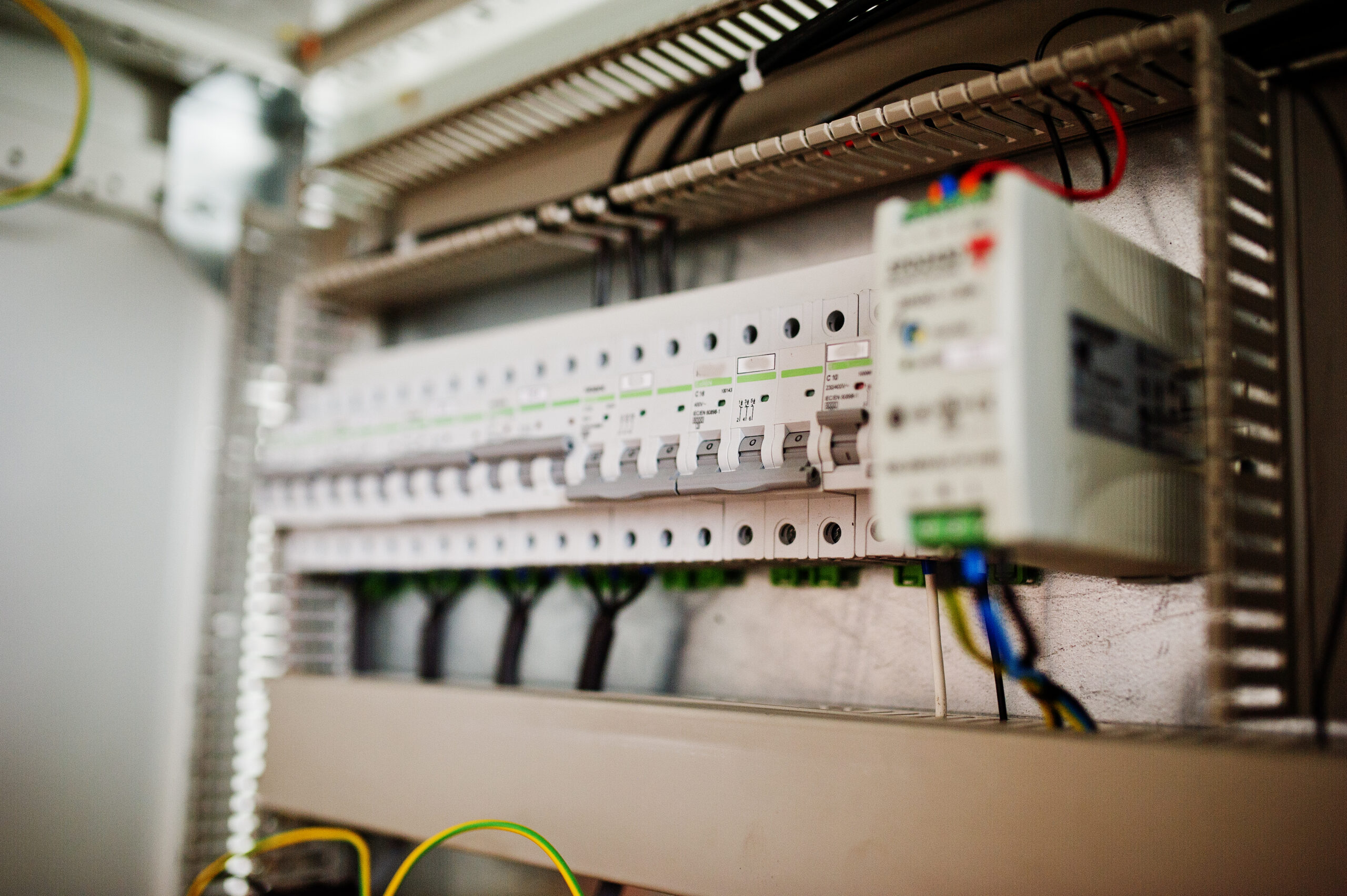
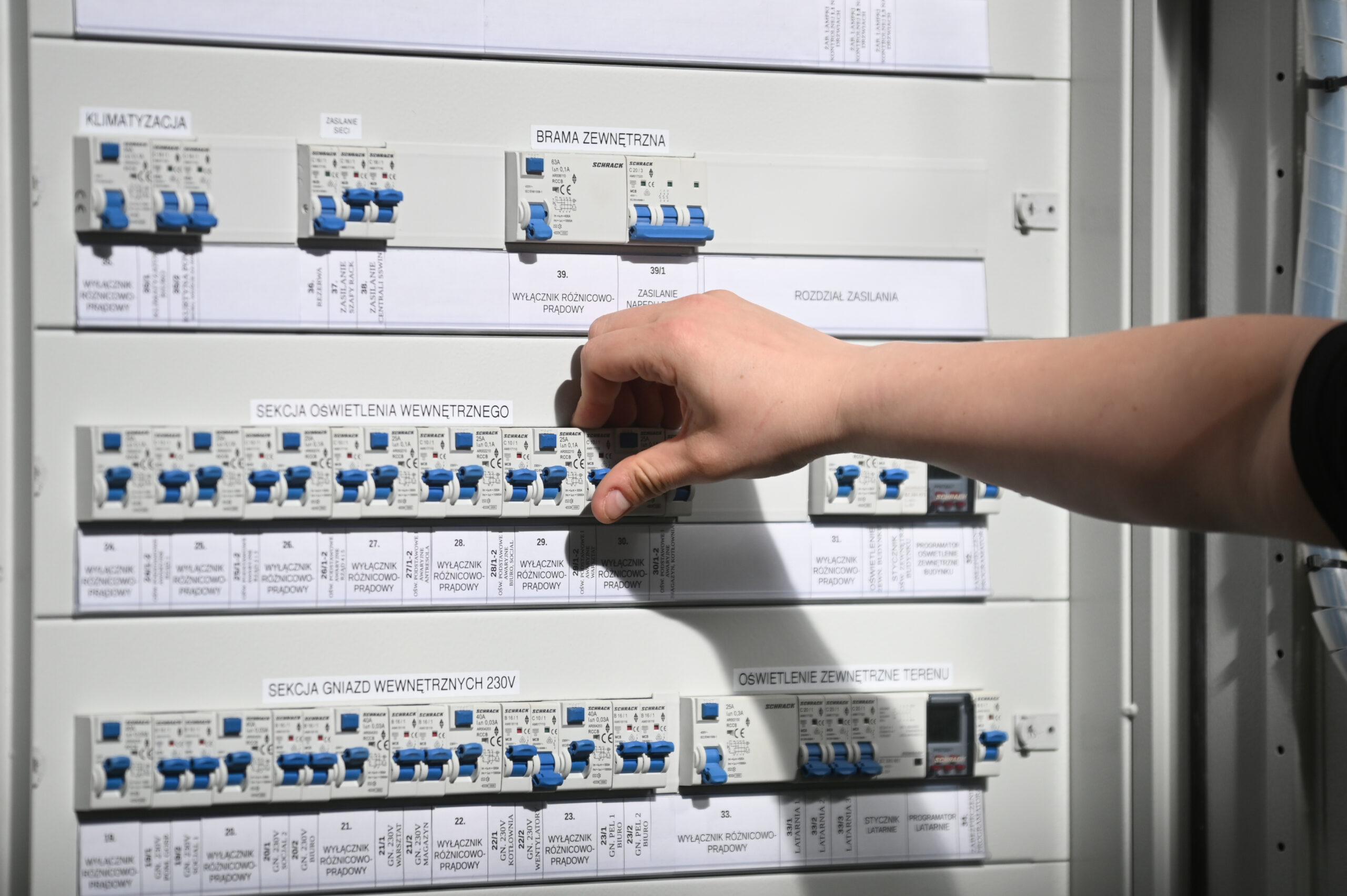
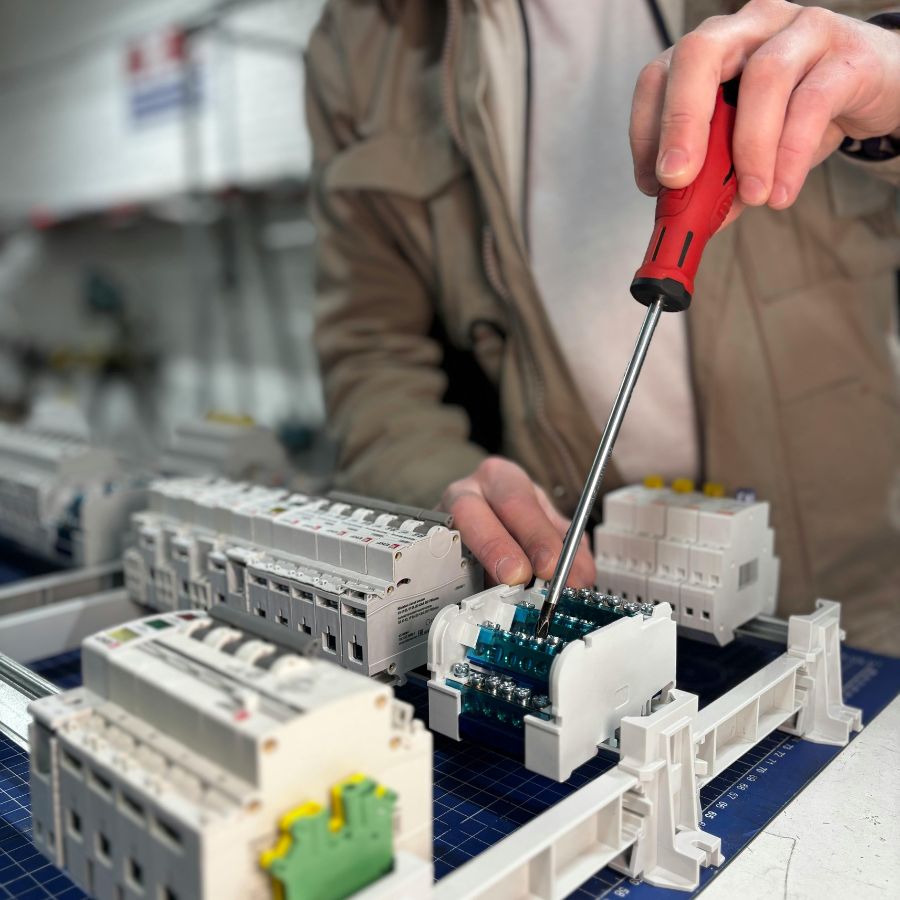
The electrical switchboard, often referred to as the heart of the installation, plays a key role. It contains overcurrent protection devices, residual current devices, surge arresters and control equipment. The switchboard is responsible for the distribution of energy and the protection of the entire installation.
Electrical wires and cables transport energy to individual consumption points. Their cross-section, insulation and routing are selected based on the power of the devices, the length of the circuits and the installation conditions. The energy consumers are sockets, light fixtures, household appliances, building automation systems and industrial machines.
Types of electrical installations
Single-phase installations are most commonly used in residential buildings, as they are sufficient for standard energy requirements. In facilities with higher power consumption, such as houses with heat pumps, workshops or production halls, three-phase installations are used, ensuring greater stability and the ability to power high-power devices.
Why is electrical installation crucial?
Electrical installations have a direct impact on the safety of building users. An incorrectly designed or constructed system can lead to electric shock, fire, equipment damage and power outages. Operating costs are equally important – a modern, well-designed installation reduces energy losses and prepares the building for energy-efficient solutions such as photovoltaics or smart energy management systems.
When should electrical wiring be replaced?
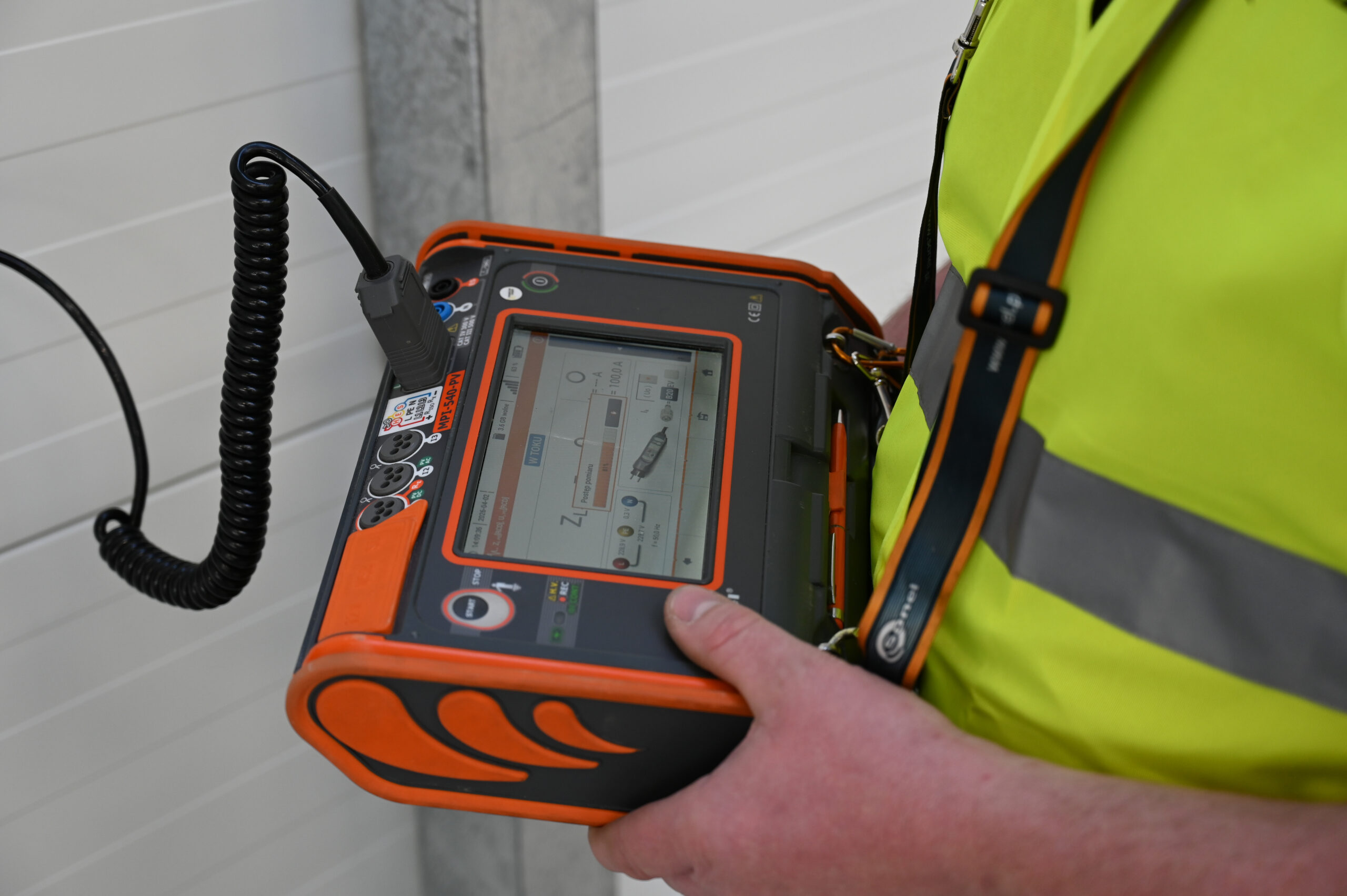
Replacing electrical installations is recommended when they do not meet current safety standards, lack residual current devices, cables overheat or circuit breakers frequently trip. Modernisation is also necessary when extending a building, increasing power demand or planning to install modern heating and energy systems.
The electrical installation is the foundation of every modern building. It is responsible for supplying energy, ensuring user safety and the reliable operation of equipment. Its proper design, professional installation and regular inspections are crucial for protecting life and property and optimising the operating costs of the building.
Do you require a design or modernisation of your electrical installation?
If you are planning to build, modernise or expand your electrical installation, it is worth consulting an experienced contractor. Professional design and implementation in accordance with standards guarantee safety, reliability and long-term savings.
Would you like us to provide this service for you? Contact us!