What are the most common mistakes in electrical installations?
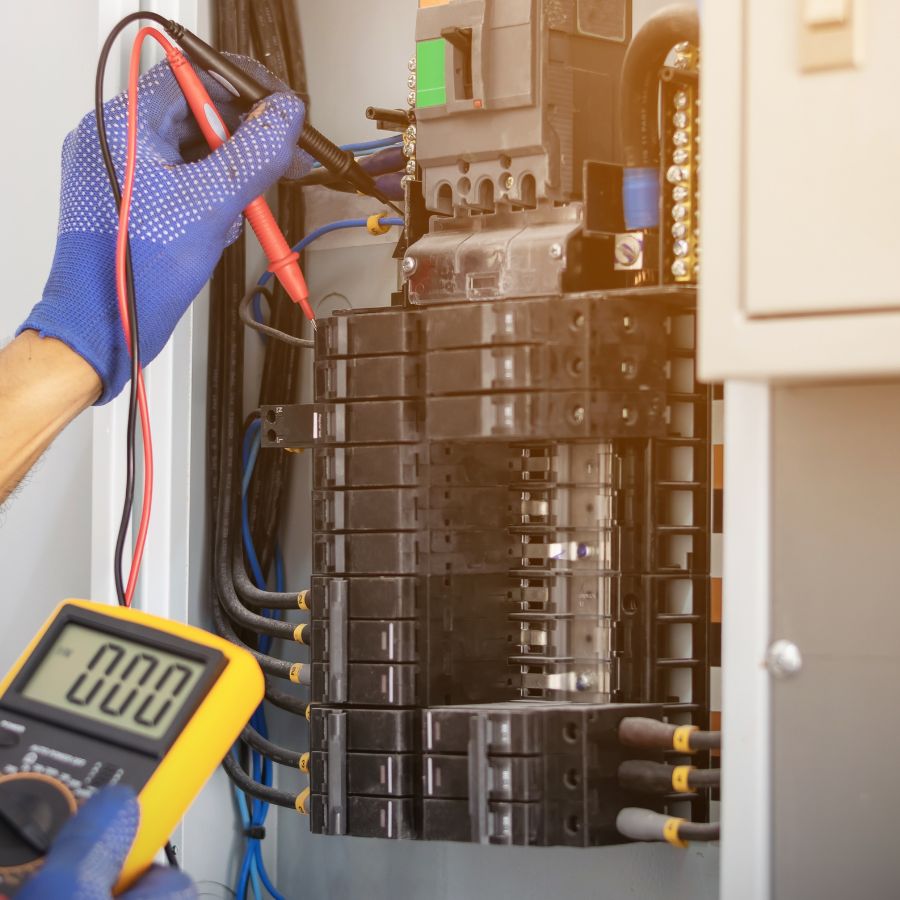
An electrical installation is a system that is supposed to operate faultlessly for decades. In practice, many problems arise not from equipment failure, but from design and construction errors made during the construction or modernisation phase. Some of these increase the risk of fire and electric shock, while others generate high operating costs and equipment failures.
In this article, we discuss the most common errors in electrical installations and their consequences.
Errors in electrical installations already at the design stage
One of the most serious problems is the lack of a professional electrical installation design. In many buildings, installations are based on the contractor’s experience, without a full power balance and analysis of future needs. This results in overloaded circuits, a lack of power reserves for additional devices, and the need for costly modifications after a few years of use.
Another common mistake is underestimating energy demand. Modern homes and businesses use heat pumps, air conditioning, electric car charging stations and advanced IT systems. Installations designed according to old standards are not prepared for such loads.
Incorrect selection of cables and safety devices
Another critical mistake is the incorrect selection of cable cross-sections. Cables that are too thin can overheat, leading to damage to the insulation and, in extreme cases, fire. This problem often occurs in modernised installations, where new high-power devices are connected to old circuits.
Similar consequences result from the incorrect selection of overcurrent protection. Overly large protection will not respond to overload, while overly small protection will cause frequent circuit shutdowns. Both scenarios are undesirable and indicate a lack of professional design.
No residual current devices or surge protection
Residual current devices are now a basic element of electric shock protection, but many older installations still lack them. The absence of RCDs significantly increases the risk of electric shock, especially in bathrooms, kitchens and industrial facilities.
Surge protection is just as often overlooked. Surges can occur as a result of lightning strikes or network disturbances, causing damage to electronics and control systems. The lack of surge arresters is a mistake that can result in very high repair costs.
Insufficient number of circuits and electrical outlets
Many investors try to reduce costs by designing installations with a minimum number of circuits and sockets. In practice, this leads to overloaded lines, the use of extension cords and power strips, and voltage drops. Such solutions reduce the safety and comfort of building use.
Modern installations should include separate circuits for high-power devices and an adequate number of power points in each room.
Ignoring earthing and equipotential bonding
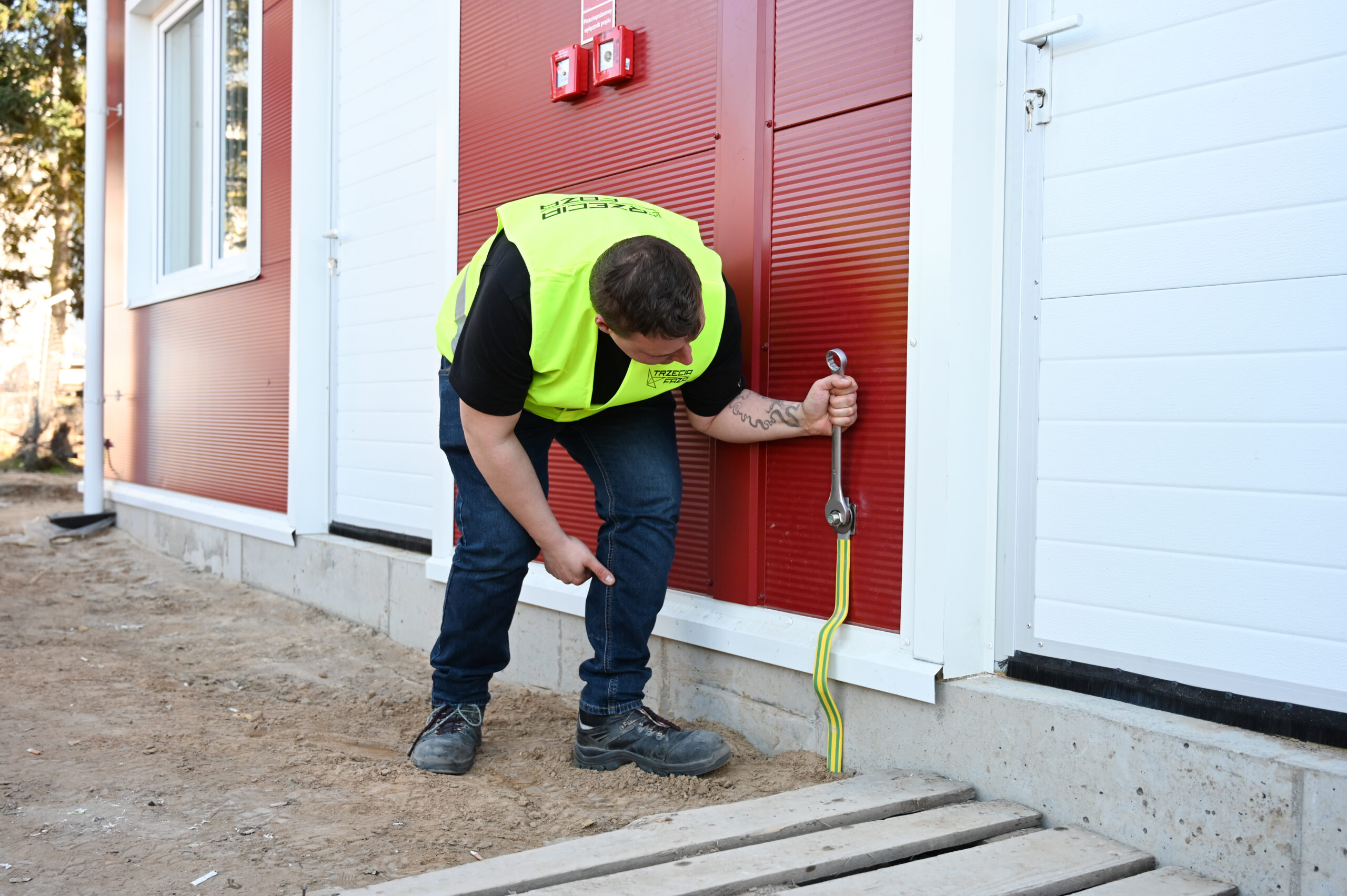
Earthing and equipotential bonding are the basis of electric shock protection. In practice, they are often incorrectly installed or omitted, especially in older buildings. This can result in dangerous voltages appearing on equipment enclosures and metal structural elements.
Consequences of errors in electrical installations
Errors in electrical installations can lead to serious consequences, such as fires, electric shocks, damage to expensive equipment, business interruptions, or refusal of compensation by the insurer. In the long term, they also generate higher operating costs and reduce the value of the property.
Consequences of errors in electrical installations
Errors in electrical installations can lead to serious consequences, such as fires, electric shocks, damage to expensive equipment, business interruptions, or refusal of compensation by insurers. In the long term, they also generate higher operating costs and reduce property values.
How to avoid mistakes in electrical installations?
The most effective way to avoid mistakes is to have a professional installation design, carried out by qualified electricians, and to conduct full acceptance measurements. Regular inspections of the installation allow potential problems to be detected before they lead to serious failures.
The electrical installation is a system critical to the safety and functioning of any building. The most common errors result from cost-cutting at the design stage, improper selection of components, and a lack of professional workmanship and documentation. Investing in a well-designed and well-executed installation is not only a matter of comfort, but above all of safety and property protection.
Are you planning to install or upgrade your electrical system?
If you are building a new facility or modernising an existing installation, it is worth consulting an experienced contractor about your project. Professional analysis and compliance with standards will help you avoid costly mistakes and ensure safety for years to come.