How often should an electrical installation be replaced?
An electrical installation is one of the most important components of any building. It is responsible for the safe supply of power to appliances, lighting, and all electrical systems. However, many people wonder how long an electrical installation remains reliable and when it should be replaced.
There is no single regulation stating that an electrical installation must be replaced after a specific number of years. Its lifespan depends on many factors, such as the quality of workmanship, the materials used, operating conditions, and the regularity of technical inspections. In practice, however, there are situations where modernization becomes necessary.
This is one of the most frequently asked questions by property owners. Current regulations do not specify a fixed period after which an electrical installation must be replaced.
According to the Construction Law, the owner or manager of a building is required to keep the installation in proper technical condition and carry out periodic inspections. This means that the need for replacement is determined not by the age of the installation, but by its actual technical condition.
For this reason, regular inspections and electrical measurements are far more important than relying solely on the number of years since the installation was completed.
It is generally assumed that a properly installed electrical installation can operate safely for 30 to 50 years. However, this does not mean that it will automatically remain suitable for use after that period.
Older installations were often designed to meet much lower electricity demands. Several decades ago, homes did not have air conditioning systems, induction cooktops, heat pumps, electric vehicle chargers, or advanced home automation systems.
Today, electrical loads are significantly higher, which means that even a technically functional installation may no longer be sufficient to meet modern requirements.
There are several signs that may indicate an electrical installation should be modernized or replaced.
The most common include:
- frequent tripping of circuit breakers,
- overheating of sockets or electrical wiring,
- flickering lights,
- lack of residual current devices (RCDs),
- aluminum wiring in older buildings,
- an insufficient number of electrical circuits,
- inability to connect new high-power electrical equipment.
These symptoms do not always mean that the entire installation must be replaced, but they should certainly prompt a professional inspection and diagnostic assessment.
No. In many cases, a partial modernization is sufficient.
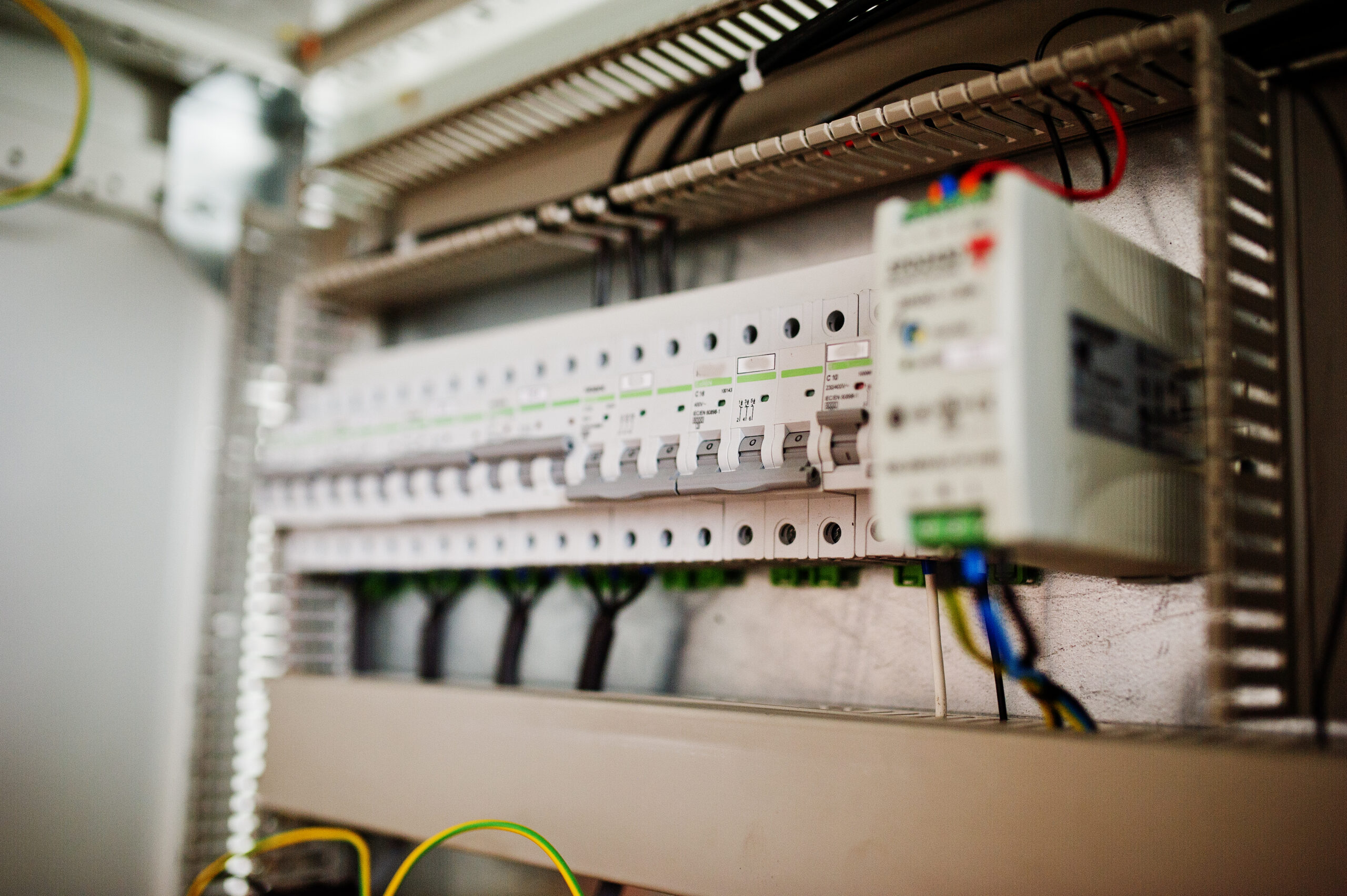
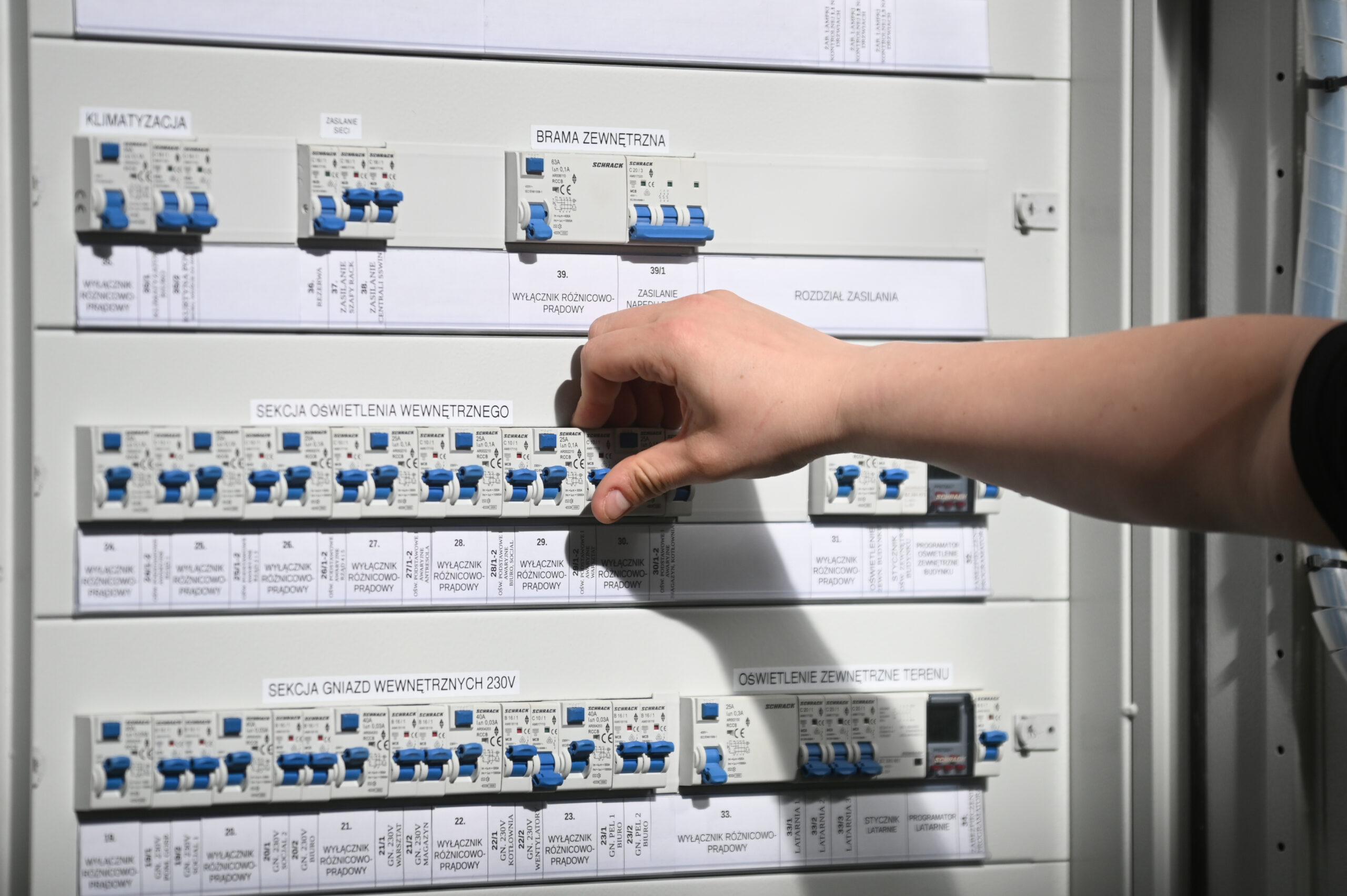
If the electrical installation is in good technical condition, it may only be necessary to replace the distribution board, add new circuits, or replace selected sections of wiring.
However, such decisions should always be preceded by electrical measurements and a technical assessment carried out by qualified professionals. This helps avoid both unnecessary expenses and the risk of leaving outdated components that no longer meet current safety standards.
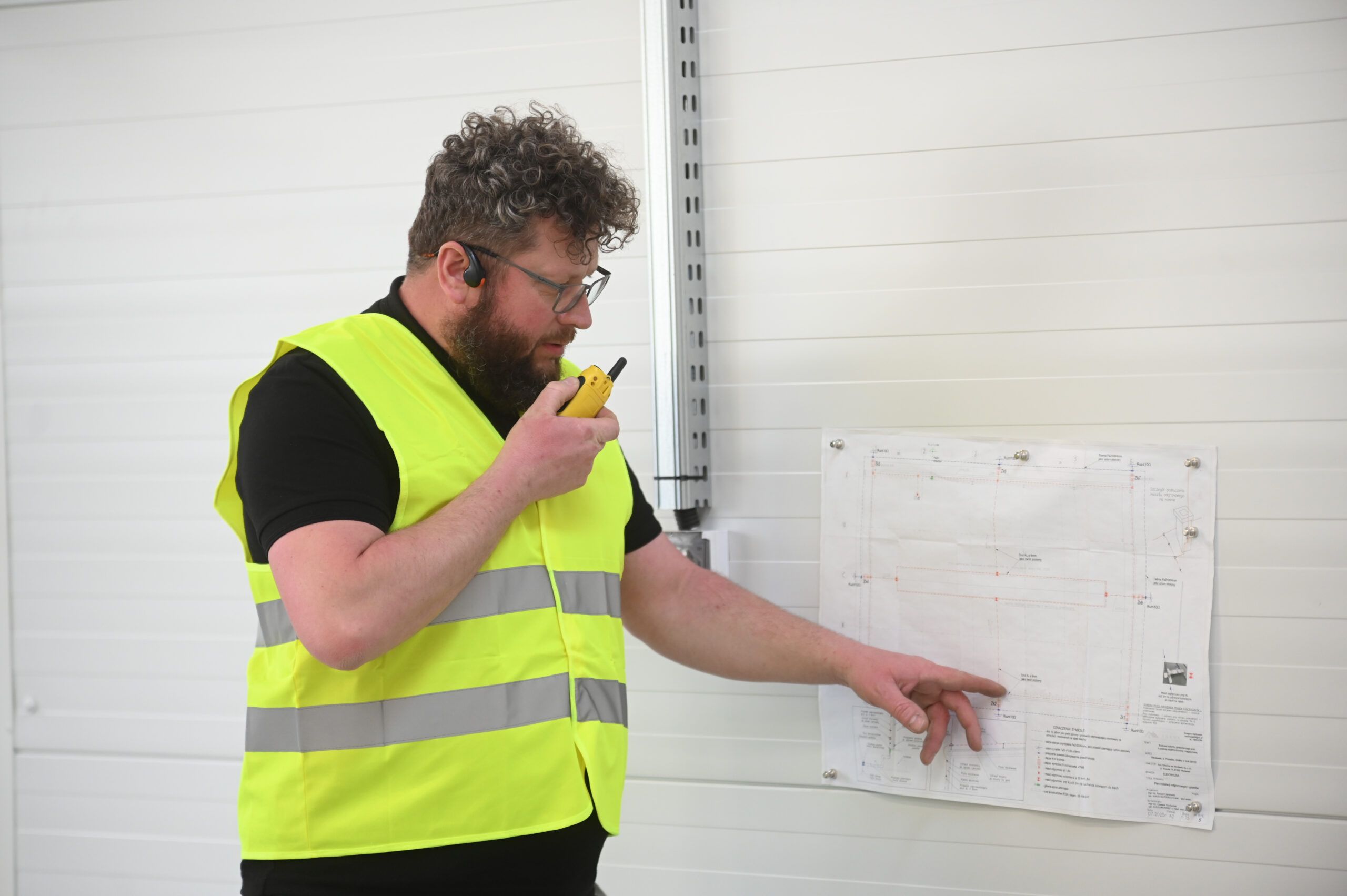
The best way to assess the condition of an installation is not by determining its age but by carrying out regular inspections.
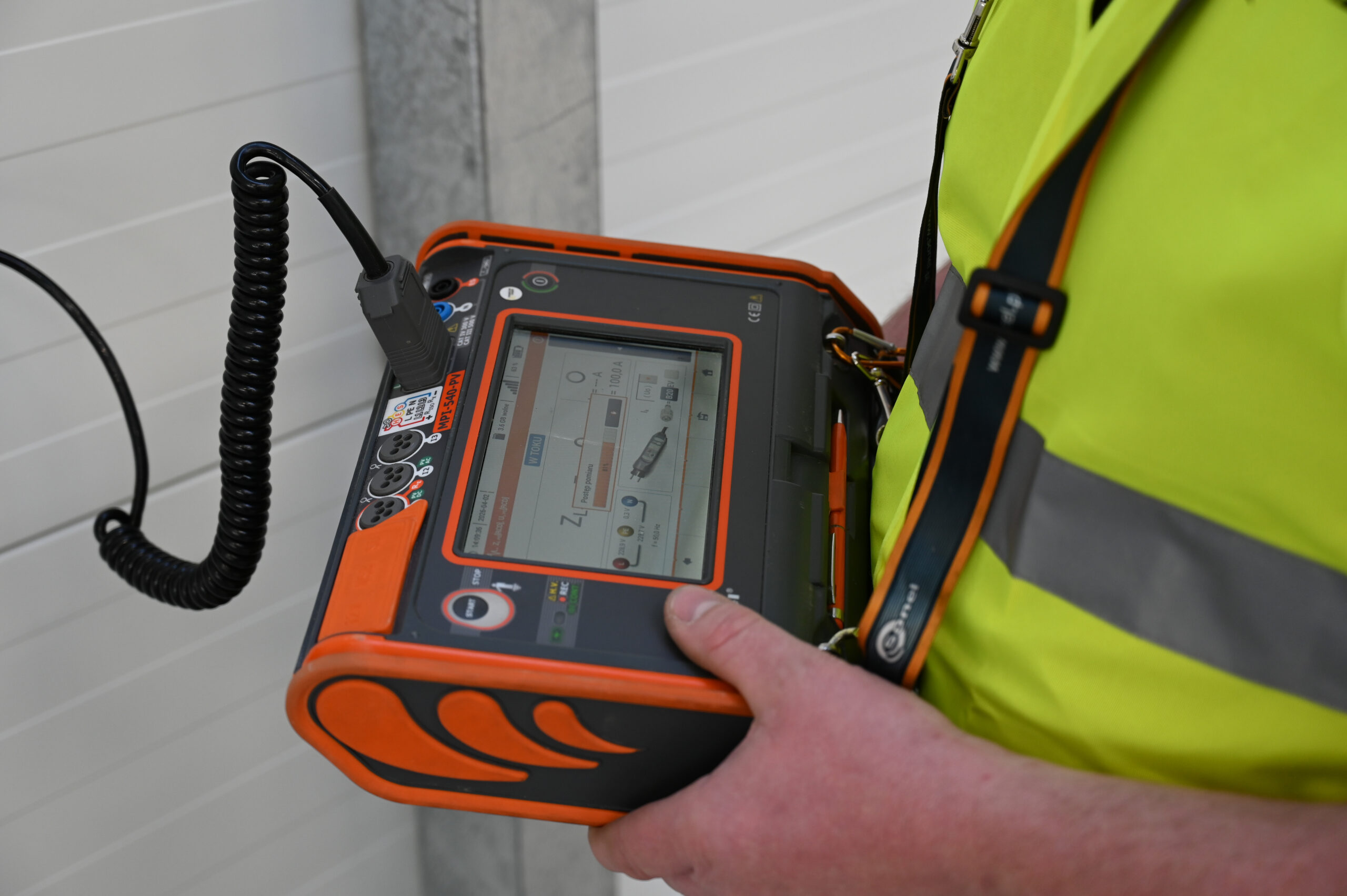
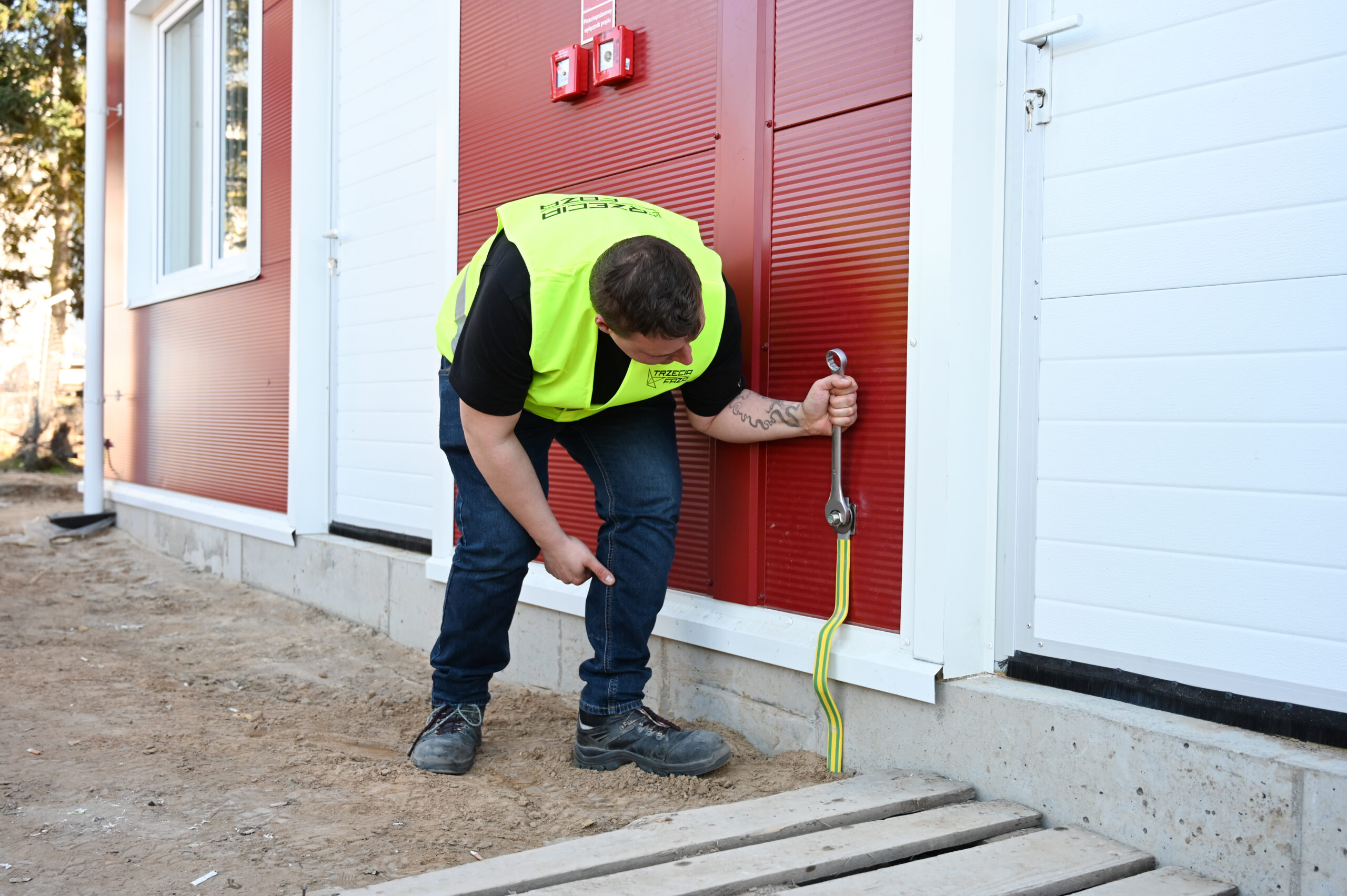
Periodic electrical measurements make it possible to verify, among other things, the condition of cable insulation, the effectiveness of electric shock protection, and the proper operation of protective devices. This allows potential faults to be detected at an early stage and modernization to be planned before a failure occurs.
You can learn more about mandatory inspections in our article “How Much Does a 5-Year Electrical Inspection Cost?”, where we explain when inspections should be carried out and what they include.
A modern electrical installation provides much more than increased safety. It also enables the seamless use of modern technologies and prepares the building for future energy demands.
Modernization allows for, among other things:
- safe power supply for high-demand electrical equipment,
- installation of a heat pump or photovoltaic system,
- installation of an electric vehicle charging station,
- expansion of smart home systems,
- improved reliability of the entire electrical installation.
In industrial facilities, a properly designed installation also helps reduce the risk of costly production downtime.
There is no single answer to the question of how often an electrical installation should be replaced. The decision should not be based solely on its age but rather on its technical condition, operating conditions, and the current needs of the users.
Regular inspections, electrical measurements, and diagnostics make it possible to determine whether the electrical installation still meets safety requirements and is suitable for today’s electrical loads. In many cases, partial modernization is sufficient, although there are situations where a complete replacement is the best solution.
If you want to assess the condition of your installation or are planning its modernization, the specialists at Trzecia Faza can perform diagnostics, carry out electrical measurements, and recommend solutions tailored to the needs of your facility.